8 Signs Your Air Ducts Need Cleaning
Your ducts do not send a notification when they need cleaning. They send signs — and these eight are the ones to watch for. Any one of them means the camera inspection is due.
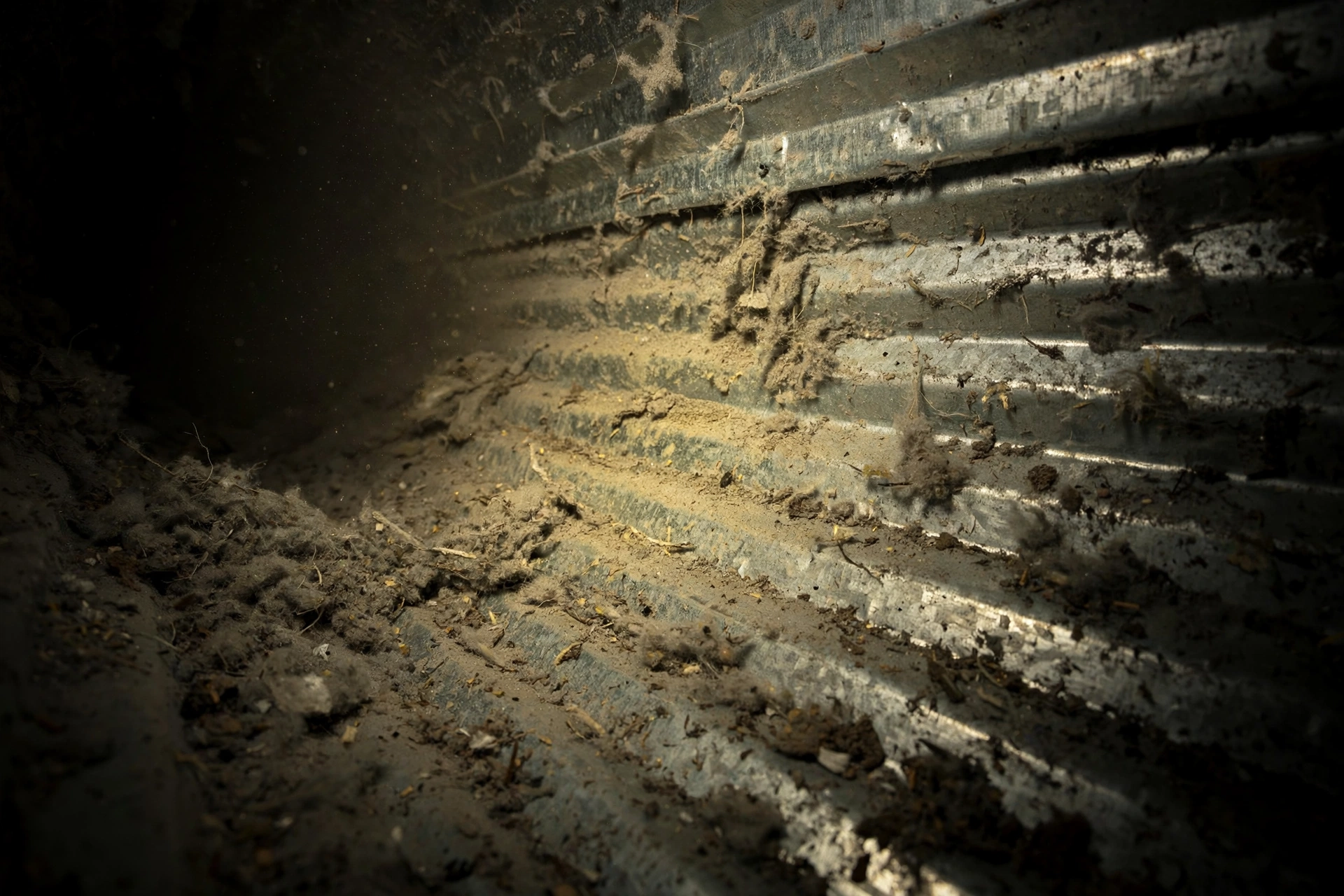
Ducts fail quietly. They accumulate dust, debris and contamination over years, and the system compensates — longer cycles, weaker airflow, a smell that comes and goes — until the accumulation is large enough that the signs are impossible to ignore. This post is the checklist: eight signs, each with what it means and what we check. Any one of them is a reason to book the free camera inspection.
Dust puffing from registers on startup
The system has been sitting idle, the dust has settled in the runs, and the first blast of air on startup pushes it out of the registers and into the room. A puff of dust on the first cycle of the season is normal. A puff on every startup is a system loaded with dust — and the camera will show it.
Musty or moldy odor when the system runs
A musty smell that appears when the heat or AC starts, and fades when the system stops, is the signature of mold or biofilm on the evaporator coil or in the ducts. The coil is where moisture and dust meet, and it is the first place mold grows. The smell is the symptom; the camera inspection finds the source.
Allergy flare-ups indoors
Allergies that are worse inside the house than outside it — sneezing, itchy eyes, congestion that clears when you leave — point to the air you breathe indoors, and the ducts are the delivery system. Dust, pollen, pet dander and mold spores all accumulate in duct runs, and the system recirculates them on every cycle.
Uneven airflow room to room
One room gets a strong blast, the next gets a whisper. The cause is usually a crushed flex run, a disconnected joint, or a run loaded with debris — and the fix starts with the camera, which shows which run is restricted and why. Uneven airflow is a duct problem before it is an equipment problem.
Visible debris or mold in registers
Take a register off and look inside with a flashlight. Dust, debris, or a dark growth on the duct walls means the system is loaded — and what you can see at the register is the least of it. The runs behind the register hold more, and the camera shows all of it.
Vermin evidence
Droppings, nesting material, or a smell that suggests something died in the duct. Rodents nest in ductwork for the warmth, and they chew through flex duct and leave contamination behind. A duct system with vermin evidence needs cleaning and a repair — the entry point sealed, the damaged section replaced.
Recent renovation dust
Any remodel that opened walls or ceilings dumped construction dust into the duct system, and it stays there until it is removed. A renovation is the single most reliable trigger for a cleaning: the dust is fine, it is everywhere in the system, and the system recirculates it on every cycle.
The system runs longer than it used to
The air conditioner used to cool the house in twenty minutes; now it takes forty. The coil is loaded, the ducts are restricted, and the system is working harder for the same result. The electric bill shows it before the comfort does — and the cleaning restores the airflow the system was designed for.
What to do next: the camera inspection
Any one of these signs means the same next step: a camera inspection, free, before any quote. The camera shows the actual condition of your system — dust loading, debris, mold, vermin evidence, disconnected joints, crushed flex runs — and the quote follows what the camera shows. If the camera shows clean ducts, we tell you so and charge nothing for the inspection. If it shows a system that needs cleaning, you see the footage before you agree to anything.
Want us to look at yours?
A camera inspection tells you in 20 minutes what your ducts actually look like — free, no obligation, and you keep the footage.
Frequently asked questions
What are the warning signs my air ducts need cleaning?
How often should air ducts be cleaned?
How Much Does Air Duct Cleaning Cost
Where we work
Keep reading
Is Duct Cleaning a Waste of Money?
The EPA says routine cleaning is not proven necessary for every home. It also says cleaning is worth it when there is a reason. This post is the reason list — and the scam list.
Read the guide →
How Often Should Air Ducts Be Cleaned
The short answer is 3–5 years. The real answer is: it depends on what has happened to your house since the last cleaning — and Los Angeles gives your ducts more to deal with than most cities.
Read the guide →
How Often Should You Clean
Once a year, minimum. Lint is fuel, the vent run is where it accumulates, and a clogged dryer vent is the leading cause of dryer fires. The signs, the schedule and the honest DIY limits are below.
Read the guide →