Is Duct Cleaning a Waste of Money? The Honest Answer
The EPA says routine cleaning is not proven necessary for every home. It also says cleaning is worth it when there is a reason. This post is the reason list — and the scam list.
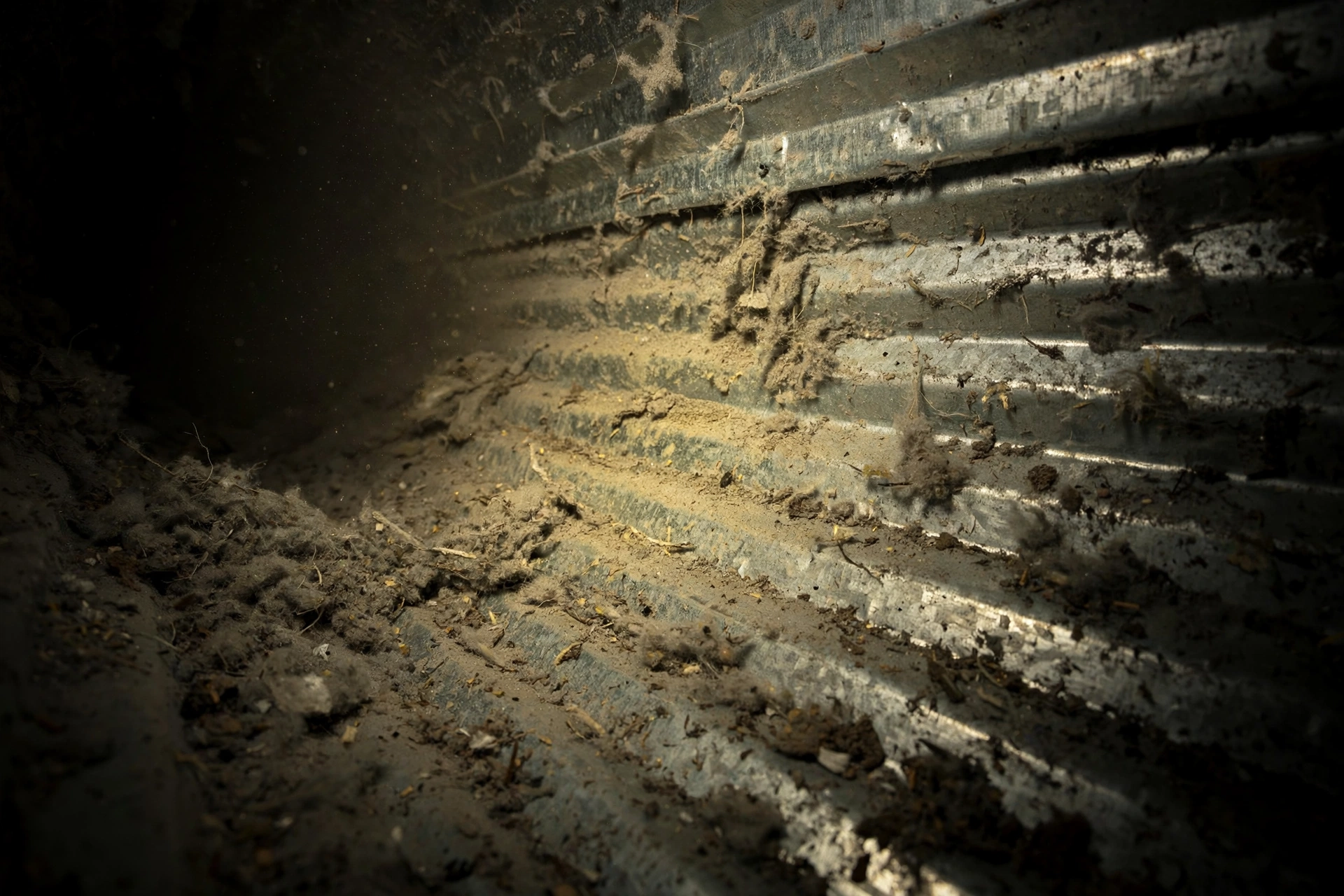
Every duct cleaning company has an interest in telling you that duct cleaning is always worth it. This post does not. The honest answer is that duct cleaning is sometimes a waste of money, sometimes the best money you will spend on your house, and the difference is not the company — it is your ducts. The camera inspection is how you tell which one you have, and it is free.
The authority here is the EPA's guidance, 'Should You Have the Air Ducts in Your Home Cleaned?' — the document every legitimate duct cleaner cites and every scam artist ignores. The EPA's position is precise: there is no proven benefit to routine cleaning of a clean system, and there is a clear benefit to cleaning a system with visible mold, vermin evidence, excess dust or debris, or contamination from renovation or fire. This post is built on that distinction.
What the EPA actually says
The EPA's guidance is the most-cited document in the industry, and the most misquoted. It does not say 'never clean your ducts.' It says that routine cleaning has not been shown to prevent health problems, that no research proves cleaning improves air quality in a normal home, and that cleaning IS recommended when there is visible mold growth inside the ducts, when there is evidence of vermin infestation, or when ducts are clogged with excessive dust and debris that is actually being released into the home.
Read that list again, because it is the whole decision framework: mold, vermin, excess dust and debris, or contamination. If none of those apply, the EPA's advice is to leave the ducts alone — or at least to inspect first and decide with evidence. If any of them apply, the EPA's advice is to clean, and to clean properly: source removal, not a blow-out.
The second half of the EPA's guidance is the part the coupon companies skip: if you do hire a cleaner, the cleaner should follow the NADCA ACR Standard, should use HEPA negative-air equipment, and should show you the inside of your ducts before and after. A company that cannot do those three things is not offering the service the EPA describes.
When cleaning IS worth it: five cases
One: visible mold in the ducts or on the coil. Mold in a duct system recirculates spores through the house on every cycle, and cleaning removes the reservoir — though it does not fix the moisture source, which needs remediation. Two: vermin evidence — droppings, nesting material, or a dead animal in the duct. The ducts are contaminated, and the cleaning is the remediation.
Three: excess dust and debris that is actually entering the home — registers that puff dust on startup, a visible dust trail at the registers, a system that has never been cleaned in a home built before 1970. Four: post-renovation dust. A remodel that opened walls or ceilings dumps construction dust into the duct system, and it stays there until it is removed. Five: post-wildfire ash. The Eaton Fire left fine ash and PM2.5 in ducts across the foothills, and ash is not ordinary dust — it is finer, it carries combustion byproducts, and it needs HEPA negative-air cleaning with a coil and blower pass.
- Visible mold in the ducts or on the evaporator coil
- Vermin evidence — droppings, nesting material, or a dead animal
- Excess dust and debris actually entering the home
- Post-renovation dust from a remodel
- Post-wildfire ash — Eaton Fire, January 2025
When it is a waste: three cases
One: the ducts are already clean. A home with a new system, a well-sealed duct system, and a filter changed on schedule may have nothing to clean — and the camera inspection will show it. Two: the 'cleaning' is a blow-and-go. A shop vacuum, no camera, no negative air, no source removal — the dust is relocated, not removed, and the money is gone. Three: the price is per vent and the coupon is $99. The cleaning is not the product; the upsell is.
The test for all three is the same: the camera inspection, free, before any quote. If the camera shows clean ducts, the honest company says so. If the company will not show you the camera, the cleaning is the waste — whatever the price.
The $99 coupon scam: how to spot it
The pattern is consistent enough to be a checklist. The coupon advertises a whole-house cleaning for $99, or $89, or $49 — a number below the cost of doing the job properly. The technician arrives, counts your vents, and charges $25–$40 per vent. A 'mold' treatment appears, unquoted. A coil cleaning appears, unquoted. The $99 cleaning becomes $600 before the vacuum is switched on — and the work itself is a blow-and-go with no camera and no negative air.
The defense is two questions before you book: is the price per system or per vent, and does it include a camera inspection before and after. Then ask to see the camera and the negative-air machine when the crew arrives. A real cleaning company is happy to show you both. A coupon company will change the subject.
What a real cleaning includes
A camera inspection before and after, so you see what was actually inside. Source removal under HEPA negative air — the system sealed under suction, each run agitated with a rotary brush, the contaminants pulled out of the house. Supply and return runs cleaned separately. The evaporator coil, blower wheel and air handler on a full-system job. Before/after photos for your records. One flat price per system, agreed before work starts. That is the service the EPA describes, and it typically runs $280–$850 in Los Angeles — not $99, and not $600 after the upsells.
Want us to look at yours?
A camera inspection tells you in 20 minutes what your ducts actually look like — free, no obligation, and you keep the footage.
Frequently asked questions
Is it worth the money to get your air ducts cleaned?
How much does air duct cleaning cost in Los Angeles?
What about the $99 duct cleaning coupons?
Does cleaning air ducts really make a difference?
What are the downsides of duct cleaning?
Is Stanley Steemer air duct cleaning worth it?
How Much Does Air Duct Cleaning Cost
Where we work
Keep reading
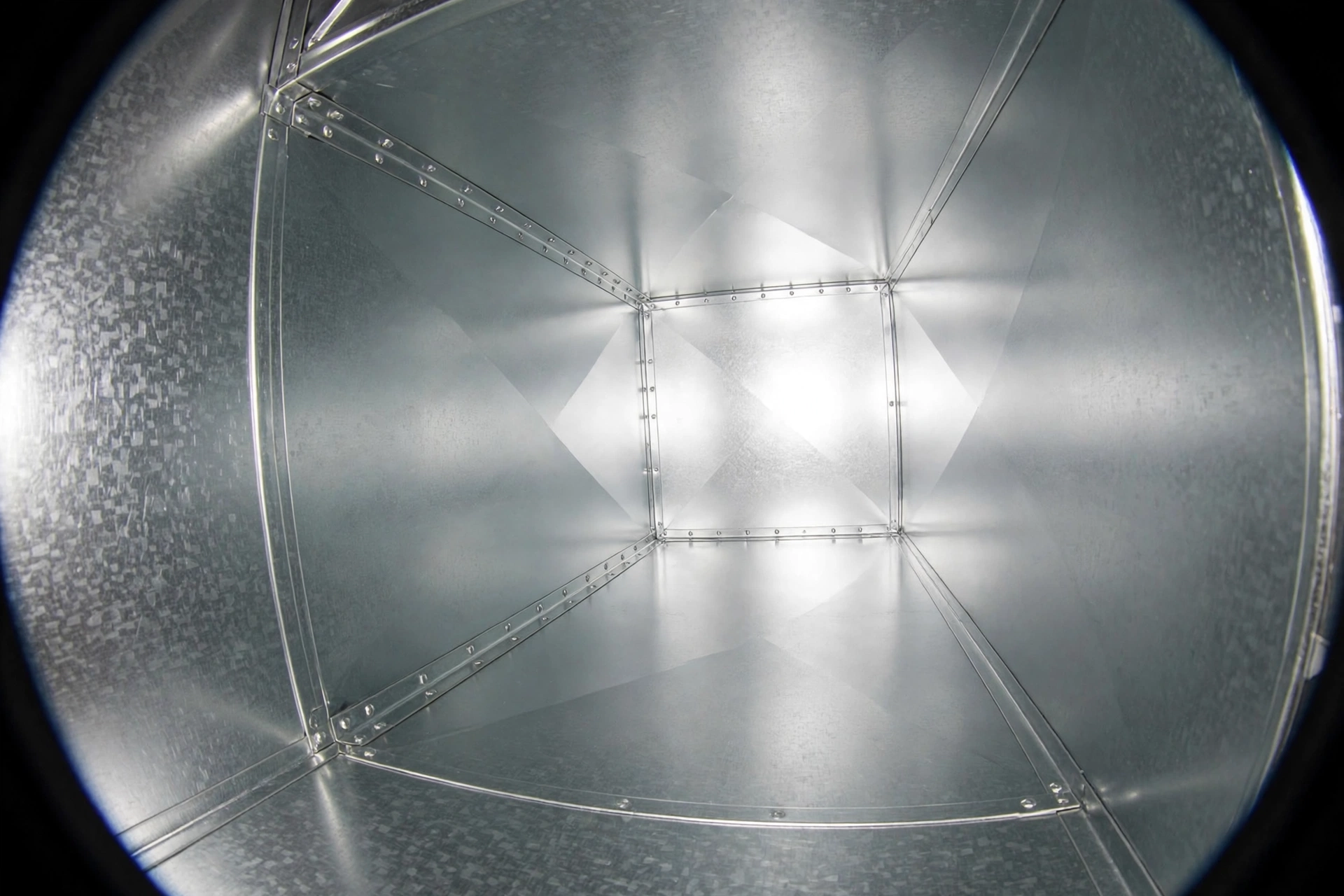
How Often Should Air Ducts Be Cleaned
The short answer is 3–5 years. The real answer is: it depends on what has happened to your house since the last cleaning — and Los Angeles gives your ducts more to deal with than most cities.
Read the guide →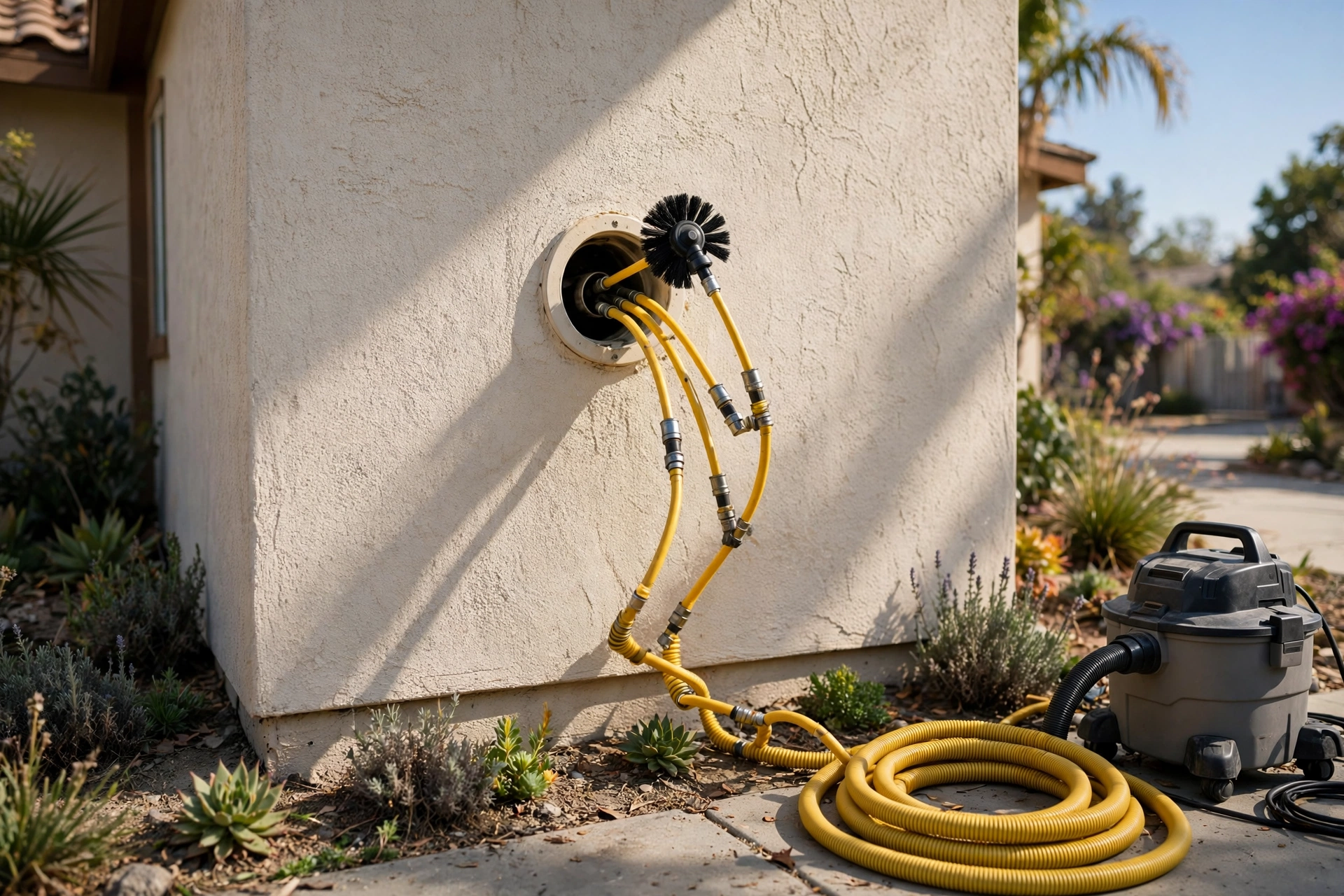
How Often Should You Clean
Once a year, minimum. Lint is fuel, the vent run is where it accumulates, and a clogged dryer vent is the leading cause of dryer fires. The signs, the schedule and the honest DIY limits are below.
Read the guide → How Much Does Dryer Vent Cleaning Cost
The short answer is $100–$200 for a standard run. The price moves with the run length, the elbows, and whether the termination is on the roof or a wall — and the fire-safety math makes it the cheapest prevention you will ever buy.
Read the guide →