How Much Does Dryer Vent Cleaning Cost in Los Angeles?
The short answer is $100–$200 for a standard run. The price moves with the run length, the elbows, and whether the termination is on the roof or a wall — and the fire-safety math makes it the cheapest prevention you will ever buy.
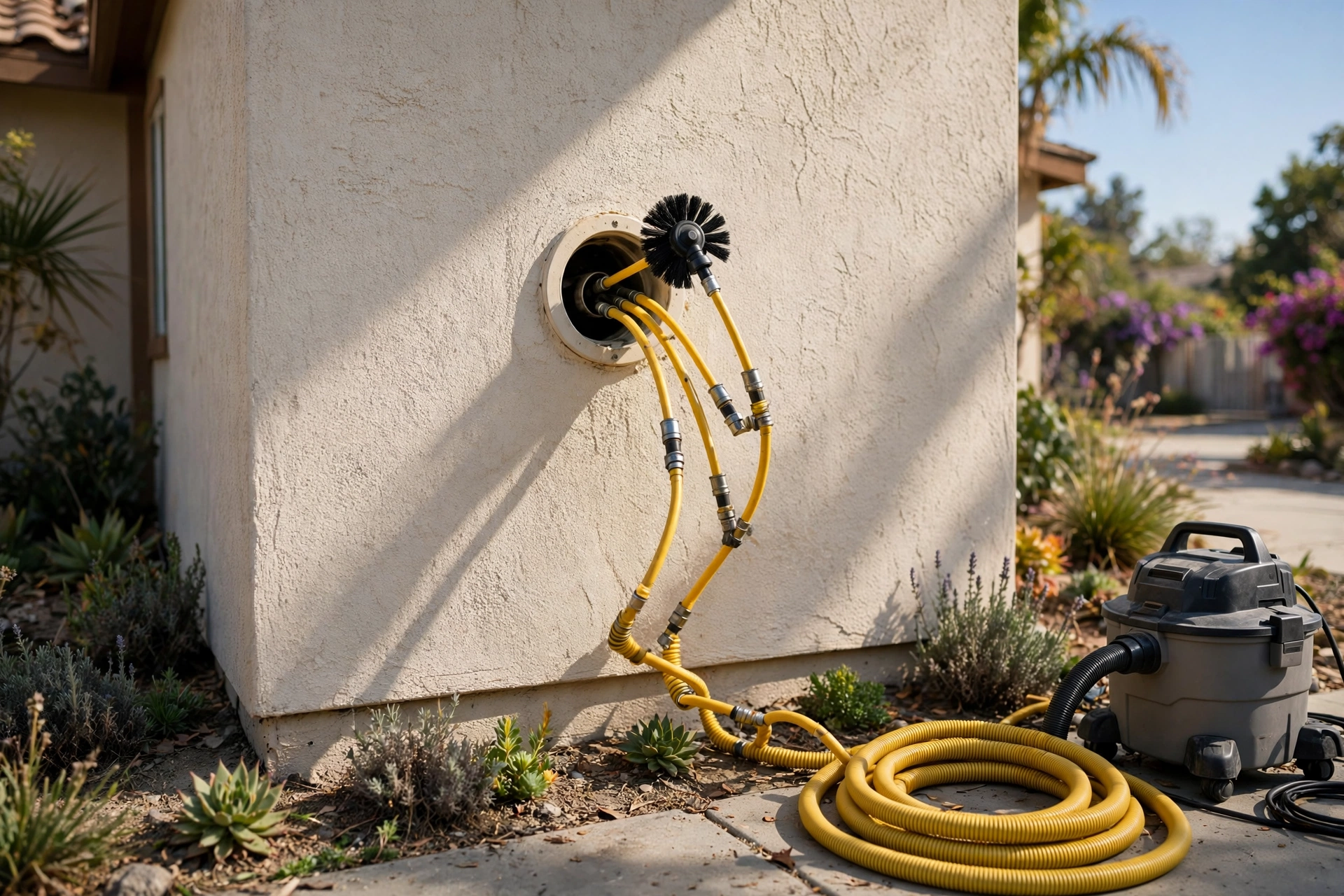
Dryer vent cleaning is the cheapest fire prevention in the house, and the price reflects it: a standard run in Los Angeles typically runs $100–$200. This post is the short version of the question — the range, what changes it, what repairs cost, and why the money is worth it — with the full service page linked for the process and the warning signs.
The short answer
Dryer vent cleaning in Los Angeles typically runs $100–$200 for a standard run — the typical market range published by local cleaners. A short straight run to a wall vent sits at the low end. A long run with several elbows, or a vertical rise to a roof termination, sits at the high end. As an add-on to a full air duct cleaning on the same visit, it costs less than a standalone trip, because the crew, the equipment and the truck are already there.
| Job | Typical market range |
|---|---|
| Dryer vent cleaning (standard run) | $100–$200 |
| Dryer vent + full duct cleaning, same visit | Add-on pricing |
| Transition hose replacement (rigid metal) | Quoted after camera inspection |
| Rodent-damaged section replacement | Quoted after camera inspection |
Typical market ranges in Los Angeles. Your fixed price is agreed after inspection.
What changes the price
Run length is the first factor: a ten-foot run is a quick job, a forty-foot run with a vertical rise is not. Elbows are the second: every bend is a place lint accumulates and a place the brush has to work harder. The termination is the third: a wall vent is accessible from the ground, a roof cap needs a ladder and a roof visit. Access is the fourth: a run behind a finished wall or through a tight crawlspace costs more than a run through an open laundry room. And damage is the fifth: a crushed hose, a disconnected joint, or a rodent-chewed section turns a cleaning into a cleaning plus a repair, quoted separately with camera footage.
Repair costs
The common repairs are small and specific. A crushed transition hose — the foil hose behind the dryer, flattened by the machine being pushed back — is replaced with rigid metal venting, which cannot crush and does not trap lint the way foil does. A rodent-chewed section is replaced, not patched: a patch over a chewed run is a weak point that fails again. A disconnected joint is reconnected and sealed. All three are quoted after the camera inspection, with the footage to prove the damage — never discovered halfway through the job.
Is it worth it? The fire and efficiency math
The fire math is the reason to do it on schedule: lint is fuel, a clogged vent is the leading cause of dryer fires, and the annual cleaning removes the fuel for $100–$200. The efficiency math is the reason to do it even if the fire never happens: a restricted vent makes the dryer run longer per load, use more electricity or gas, and wear out its heating element and bearings faster. Shorter cycles alone pay for the cleaning over a year — the fire prevention is the reason to do it on schedule instead of waiting for the warning signs.
Want us to look at yours?
A camera inspection tells you in 20 minutes what your ducts actually look like — free, no obligation, and you keep the footage.
Frequently asked questions
How much does it cost for someone to clean a dryer vent?
What is dryer vent cleaning price?
How much should air duct cleaning cost?
Dryer Vent Cleaning in Los Angeles
Where we work
Keep reading
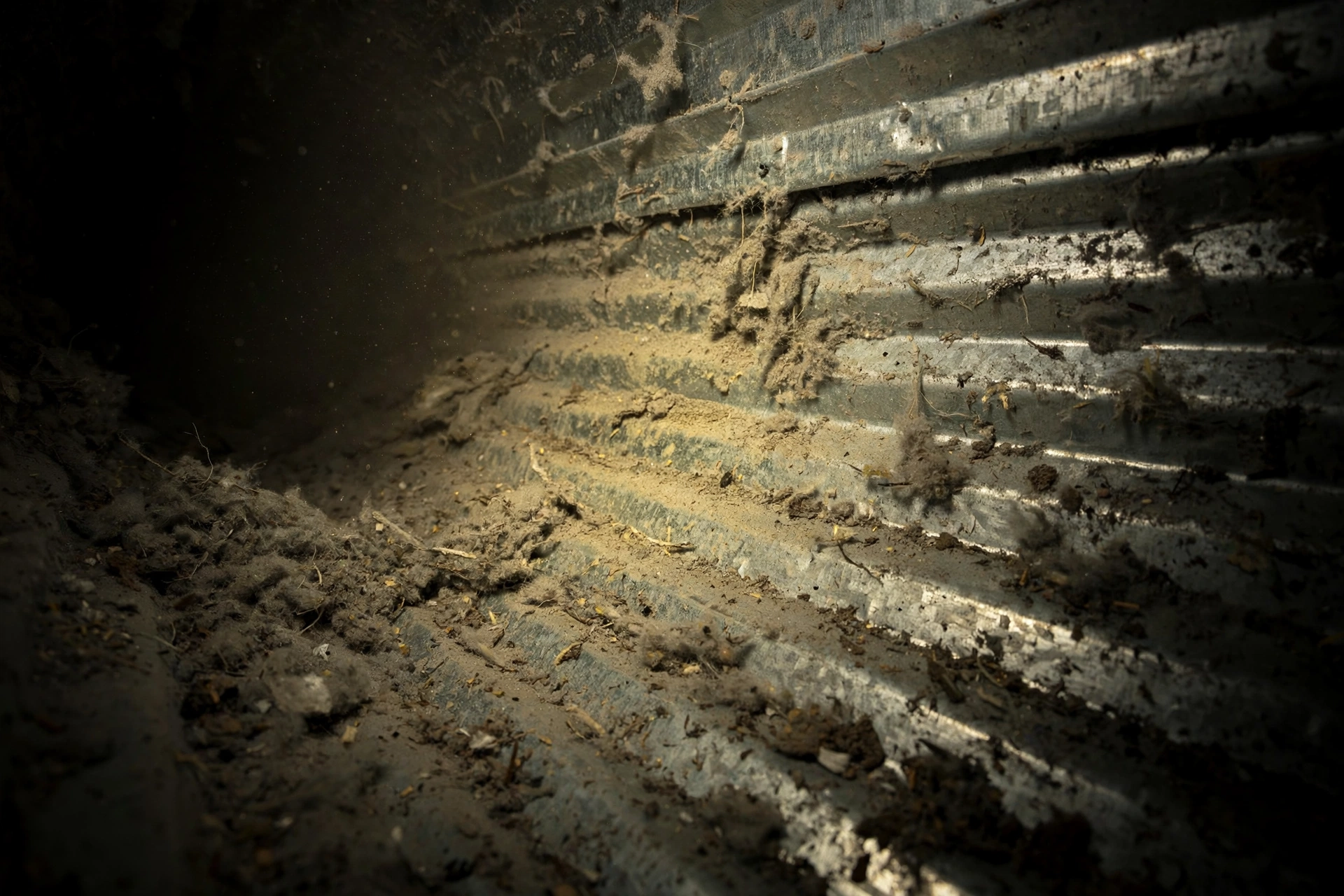
Is Duct Cleaning a Waste of Money?
The EPA says routine cleaning is not proven necessary for every home. It also says cleaning is worth it when there is a reason. This post is the reason list — and the scam list.
Read the guide →
How Often Should Air Ducts Be Cleaned
The short answer is 3–5 years. The real answer is: it depends on what has happened to your house since the last cleaning — and Los Angeles gives your ducts more to deal with than most cities.
Read the guide → How Often Should You Clean
Once a year, minimum. Lint is fuel, the vent run is where it accumulates, and a clogged dryer vent is the leading cause of dryer fires. The signs, the schedule and the honest DIY limits are below.
Read the guide →