Attic Insulation in Los Angeles — Cooler Summers, Lower Bills
Your attic is where your air conditioning goes to die: 140°F in July, and your cooled air leaking out through the ceiling. Insulation plus air sealing fixes the leak at the source.
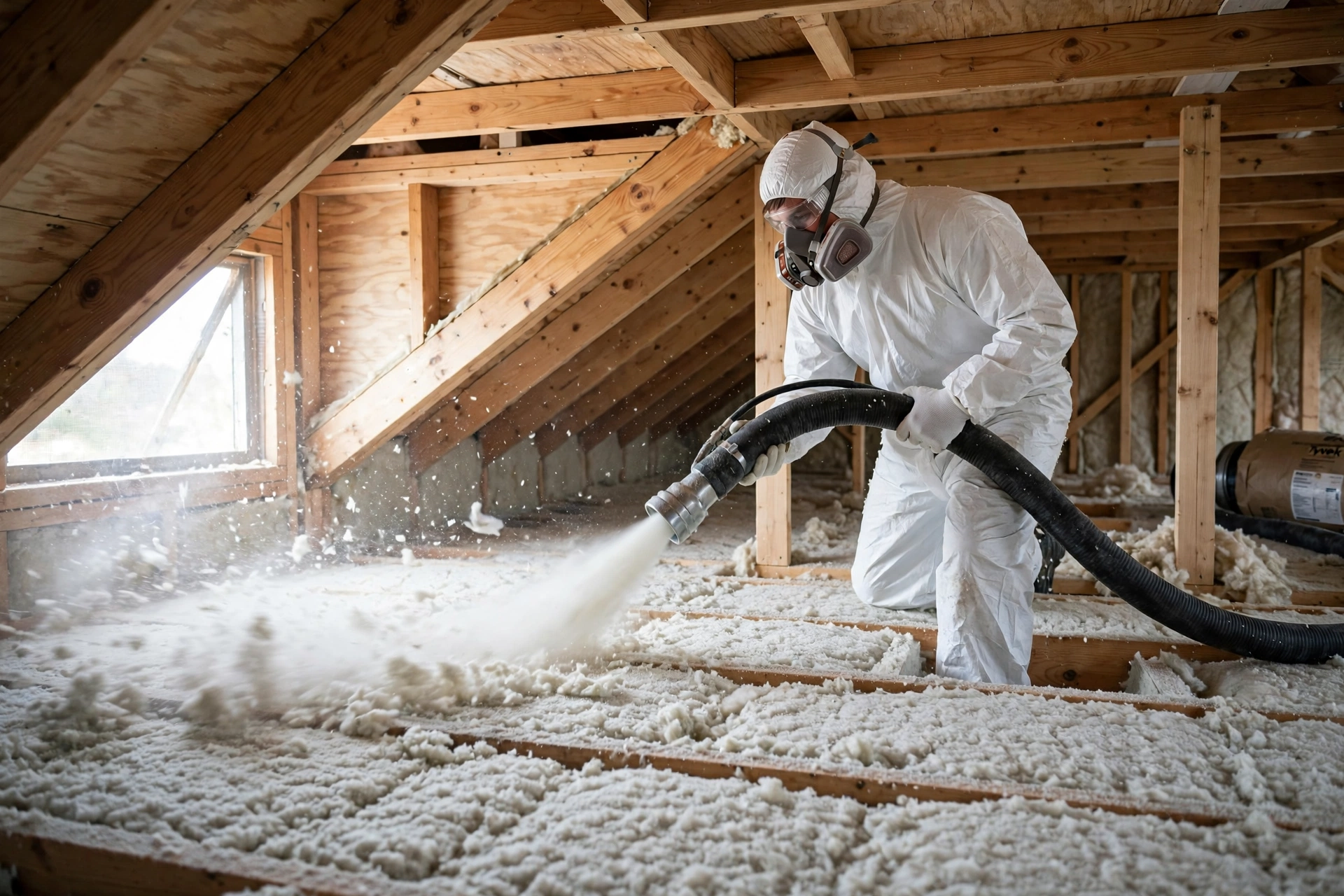 Attic Insulation in Los Angeles
Most Los Angeles homes leak conditioned air through the attic, and most homeowners pay for it every summer without knowing where the money goes. The attic is the hottest part of the house — 130–150°F on a July afternoon — and the ceiling below it is the largest single surface between that heat and your living room. Without insulation and air sealing, your air conditioner cools the attic as well as the house, and the attic wins.
Insulation is not a product, it is a system: the material, the R-value, the air sealing underneath it, and the ventilation above it. Get any one of those wrong and the other three cannot compensate. That is why this page explains the whole system — which insulation fits which attic, what R-value Los Angeles actually needs, whether you need a permit, and when the old insulation has to come out first — instead of just quoting a price per square foot.
What an insulation job includes
- Attic inspection — depth, condition, air leakage, ventilation
- Air sealing of ceiling penetrations before insulation
- Material matched to the attic: batts, blown-in cellulose or spray foam
- Installed R-value verified by depth measurement
- Removal first when the old insulation is contaminated or failed
- Photo record of the finished attic
What it costs
Typical market ranges for the Los Angeles area — your fixed price comes from the camera inspection, not from a phone guess.
| Full duct system | $280–$850 |
| Dryer vent cleaning | $100–$200 |
| Camera inspection | $120–$250 |
| Evaporator coil cleaning | $150–$380 |
Which insulation fits your attic?
Three materials dominate Los Angeles attics, and they are not interchangeable. Fiberglass batts are the cheapest and the fastest to install in an open, regular attic — but they only perform if they are installed without gaps, compression or voids, and in a 1940s attic with cross-bracing and old wiring, gaps are the norm. Blown-in cellulose fills every cavity, conforms around obstacles, and is the right choice for most retrofit jobs in older homes — it is also the material that settles least when installed to the correct density.
Spray foam is the most expensive and the most effective per inch, and it is the only option that air-seals as it insulates. It is the right choice for a roofline with complex geometry, a conditioned attic, or a home where the ductwork runs through the attic and needs to live in conditioned space. It is also the material most often installed badly — and badly installed spray foam is the material most often removed, which is why our removal guide exists.
| Material | Best for | Watch out for |
|---|---|---|
| Fiberglass batts | Open, regular attics; lowest cost | Gaps and compression kill performance |
| Blown-in cellulose | Retrofits in older homes; fills every cavity | Needs correct installed density |
| Spray foam | Complex rooflines; conditioned attics | Costly; bad installs get removed |
The right material depends on your attic's shape, age and access — not on a single price per square foot.
What R-value does Los Angeles need?
R-value measures resistance to heat flow — higher is better, and Los Angeles attics should target R-30 to R-38, depending on the home. R-19, common in older homes, is roughly half of what the attic needs; it was the standard when energy was cheap and the attic was an afterthought. R-30 is the practical target for most retrofit jobs: deep enough to matter, achievable with blown-in cellulose or batts without rebuilding the attic.
R-value is also the number most often faked. Insulation that is compressed, gapped, or installed over an unsealed attic does not deliver its rated R-value — a batt compressed to half its thickness delivers roughly half its R-value. The inspection measures the actual installed depth and condition, not the label on the bag, and the quote is for the R-value your attic will actually have when we leave.
What it costs
Attic insulation in Los Angeles is priced per square foot, and the honest way to quote it is by example: a 2,000 sq ft attic — the size the PAA questions ask about — with blown-in cellulose to R-30, including air sealing, typically runs in the low thousands, not the hundreds. The exact number depends on the material, the target R-value, how much old insulation must come out first, and how accessible the attic is. A top-up over sound existing insulation is the low end; a full removal and re-insulation is the high end.
The price that matters is the price per unit of performance, not per square foot: a cheap job that leaves gaps and skips air sealing costs less on the invoice and more on every summer electric bill for the next twenty years. Our quote lists the material, the installed R-value, and the air sealing scope separately, so you can compare it against any other quote line by line.
Do you need a permit?
Usually not for an insulation top-up: adding insulation to an existing attic is generally not a permitted job in Los Angeles County. A permit is typically required when the work changes the structure — a full removal and re-insulation with air sealing and ventilation changes, a conditioned attic conversion, or work combined with a roof or HVAC replacement. We tell you which side of the line your job falls on before work starts, and we handle the permit when one is needed.
Removal first? When old insulation must come out
Sometimes the right job is removal before installation. Rodent contamination, water damage, compressed or failed insulation, and failed spray foam all require the old material to come out before new insulation goes in — topping up over contaminated insulation just buries the problem and leaves the smell, the allergens and the compromised R-value in place. Removal is done with HEPA vacuum equipment, bagged and sealed, and followed by air sealing before the new insulation goes in. The full guide — when removal is required and when topping up is enough — is in our attic insulation removal post.
Air sealing: the step most crews skip
Insulation slows heat. Air sealing stops air. They are different jobs, and insulation without air sealing is the most common failure in Los Angeles attics: the insulation sits on top of a ceiling full of gaps — recessed lights, plumbing penetrations, wiring holes, the attic hatch — and conditioned air leaks straight through it, around it, and into the attic. Air sealing closes those gaps with foam and caulk before the insulation goes in, and it is the step that makes the insulation perform at its rated R-value.
Every insulation job we do includes air sealing as a listed scope item, not as a vague promise. The inspection photographs the penetrations before sealing and after, so you can see what was closed.
Spray foam vs blown-in: the honest comparison
The choice between spray foam and blown-in cellulose is the choice the insulation industry argues about most, and the honest answer is that both are right — for different attics. Blown-in cellulose wins on cost, on retrofit fit, and on forgiveness: it fills every cavity, it conforms around old wiring and cross-bracing, and a bad install is easy to fix by adding more. Its weakness is air sealing — cellulose does not seal, so the air sealing underneath has to be done separately and done well.
Spray foam wins on performance per inch and on air sealing — it seals as it insulates, which is why it is the right choice for a complex roofline or a conditioned attic where the ductwork lives in conditioned space. Its weakness is the install: the mix ratio, the temperature, and the application all have to be right, and a bad install is the material most often removed in this trade. Spray foam that has failed — shrunk, pulled away from framing, trapping moisture — is removed with HEPA vacuum equipment, and the removal costs more than the original install saved.
The decision rule: blown-in cellulose for a standard retrofit attic with a straightforward shape; spray foam for a complex roofline, a conditioned attic, or a home where the ducts run through the attic and need to live in conditioned space. Either way, the air sealing comes first, and the installed R-value is verified by depth measurement — not by the label on the bag.
Ventilation: the other half of the attic
Insulation without ventilation is a hot attic with nowhere for the heat to go — and in Los Angeles, the attic is the hottest part of the house. Ventilation is the intake and exhaust that moves hot air out of the attic: soffit vents low, ridge or gable vents high, and a clear path between them. Without it, the attic superheats, the insulation's effective R-value drops, and the roof ages faster.
The inspection checks the ventilation along with the insulation: are the soffit vents blocked by insulation, is there a clear air path from eave to ridge, and is the attic actually venting or just cooking. Blocked soffits are the most common failure — insulation blown over the vents during a previous job, choking the intake. Clearing them is part of the job, not an extra, and it is photographed before and after like everything else.
Our process: inspect, seal, install, verify
The inspection measures the attic: existing insulation type and depth, air leakage points, ventilation, ductwork condition, and access. The quote lists material, R-value, air sealing scope, and removal if needed. Installation is one to two days for a typical home. Verification is a depth measurement across the attic and a photo record — you get the installed R-value in writing, not on trust.
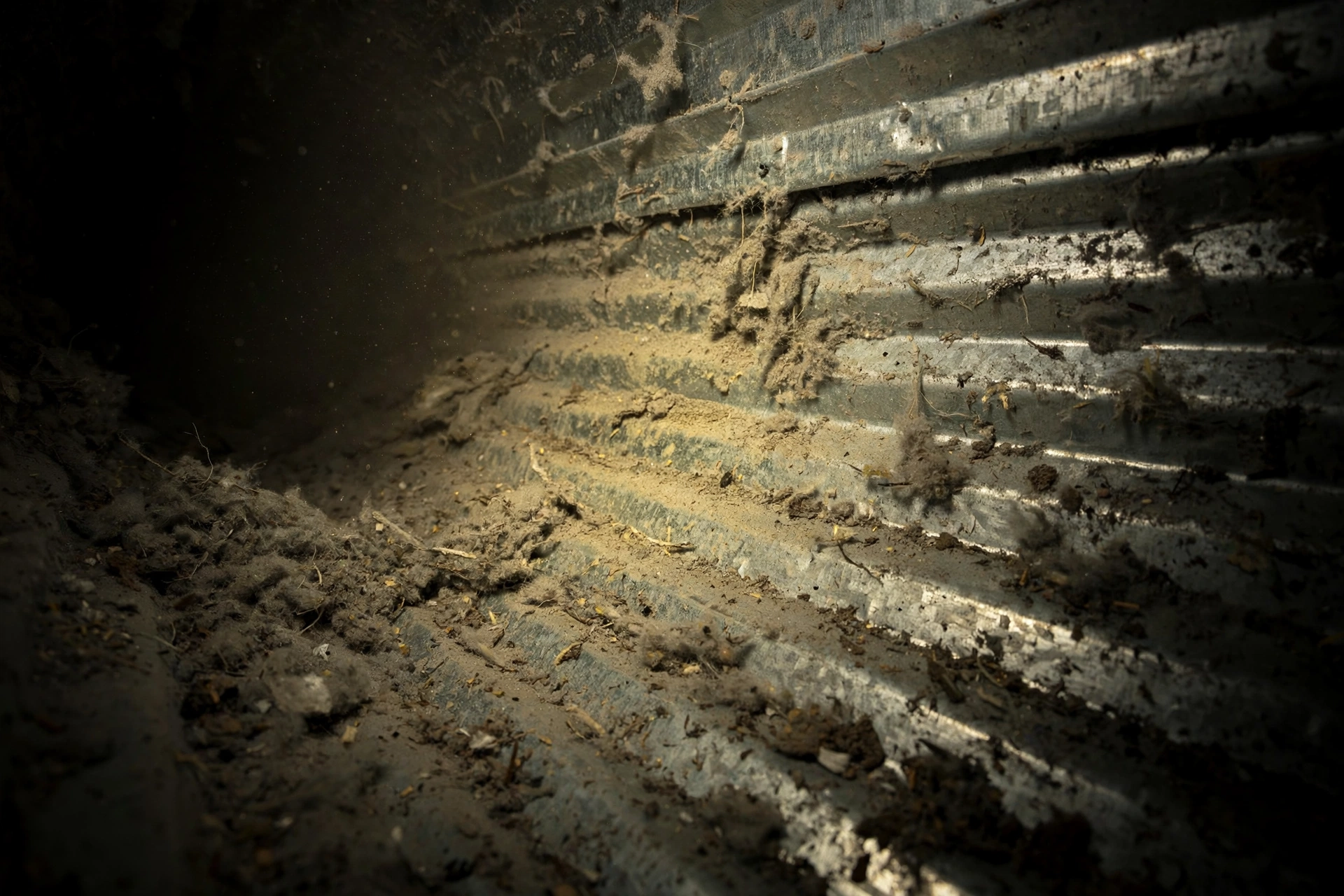
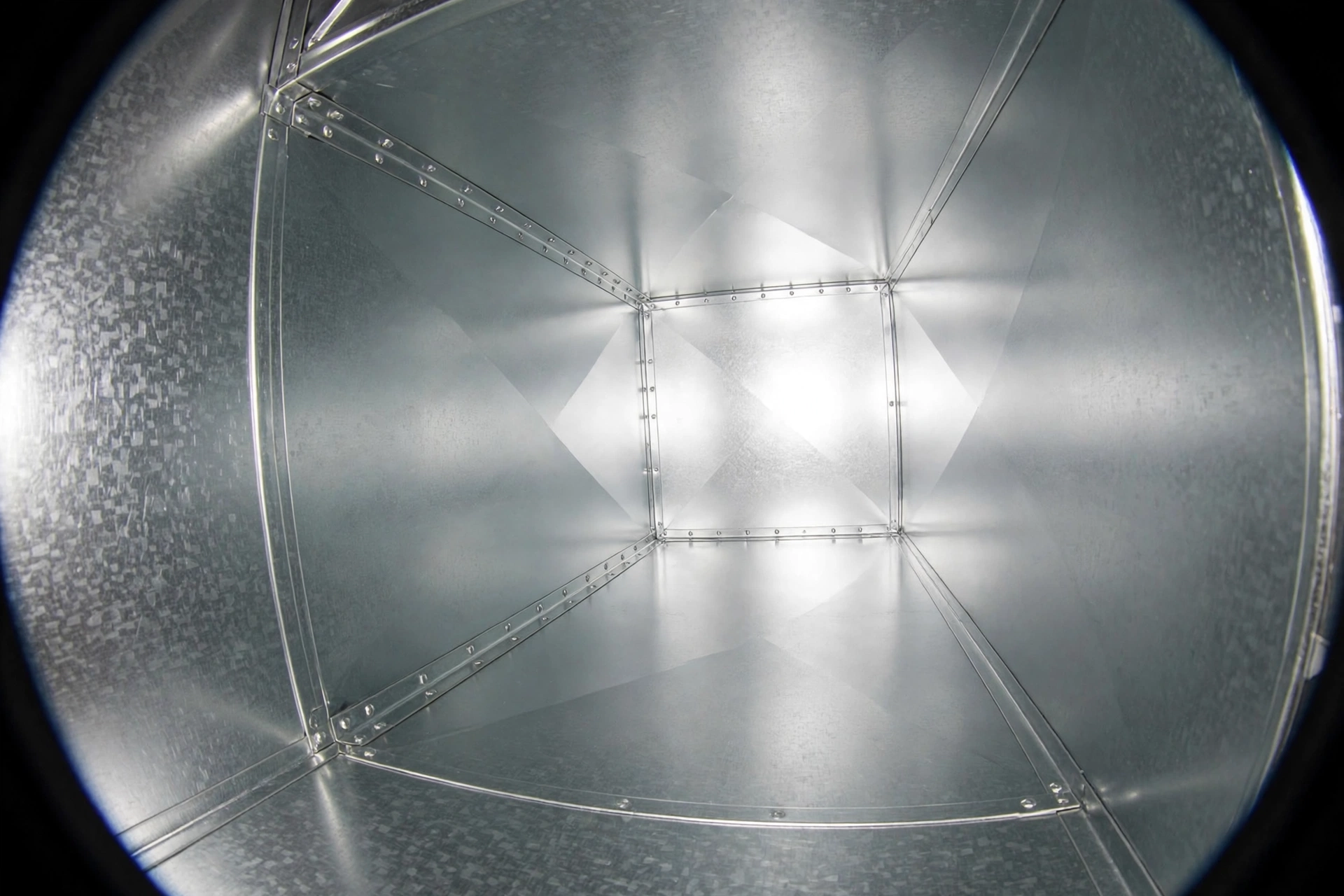
The camera doesn’t lie
Every job gets a camera inspection before and after — and before/after photos you keep. Drag the handle.
Get your free inspection
Tell us about your home and what you are noticing. We will show you the camera footage and give you one flat price for the whole system.
Frequently asked questions
How much does it cost to insulate a 2000 sq ft attic?
Is R19 or R30 better in the attic?
Why are people removing spray foam insulation?
Do I need a permit to add insulation to my attic?
Should I remove old attic insulation before adding new?
What else we do
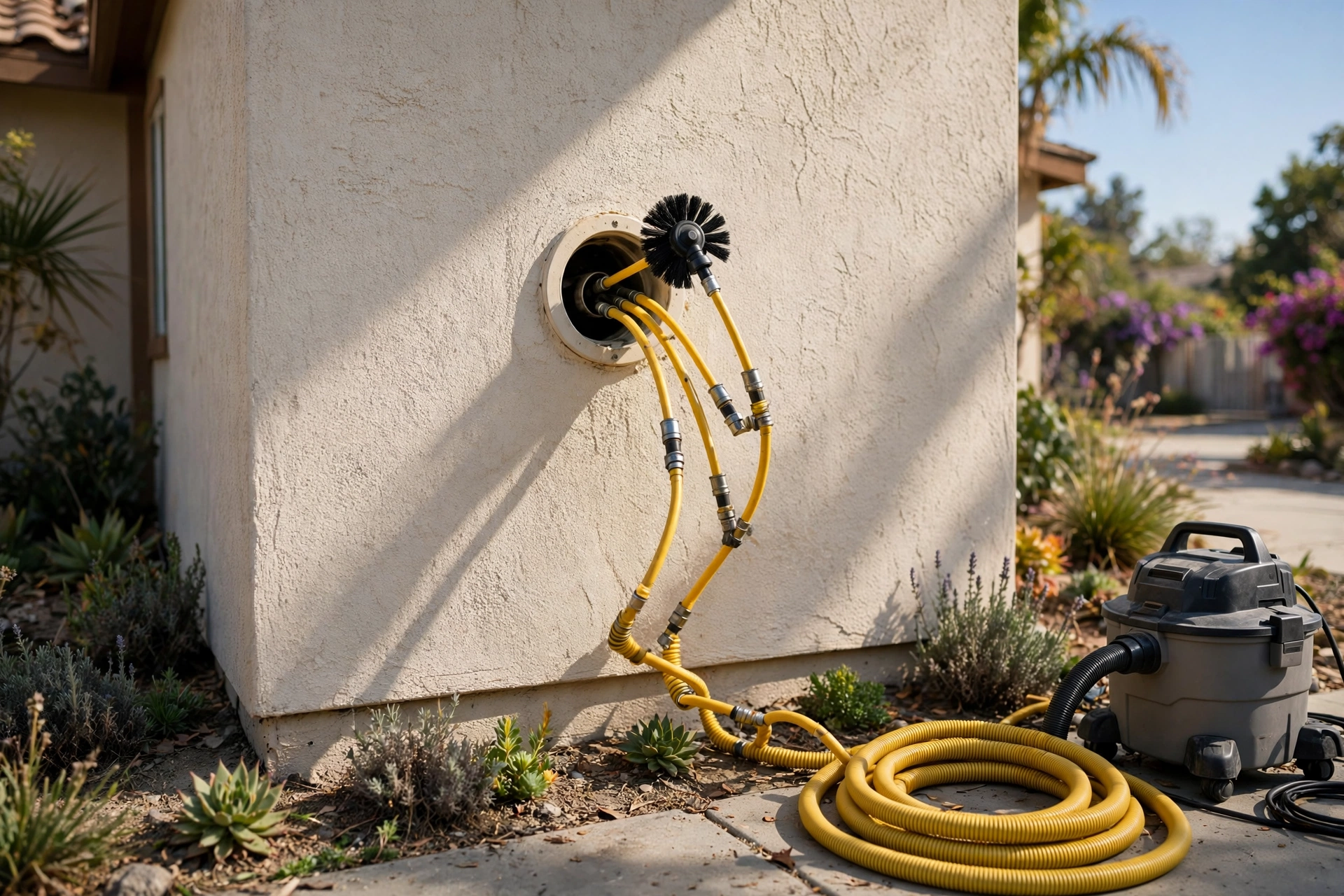 Dryer Vent Cleaning
 in Los Angeles
Lint builds up where you cannot see it, airflow drops, and the dryer runs hotter and longer. We clean the full vent run — dryer to termination — with a rotary brush and negative air, and check the airflow before and after.
Learn more → 2026 Price Guide How Much Does Air Duct Cleaning Cost
The short answer: a full-system cleaning in Los Angeles typically runs $280–$850. The long answer — what moves the price, what the add-ons cost, and how to spot the $99 trap — is below.
Learn more →