Dryer Vent Cleaning in Los Angeles — Faster Drying, Lower Fire Risk
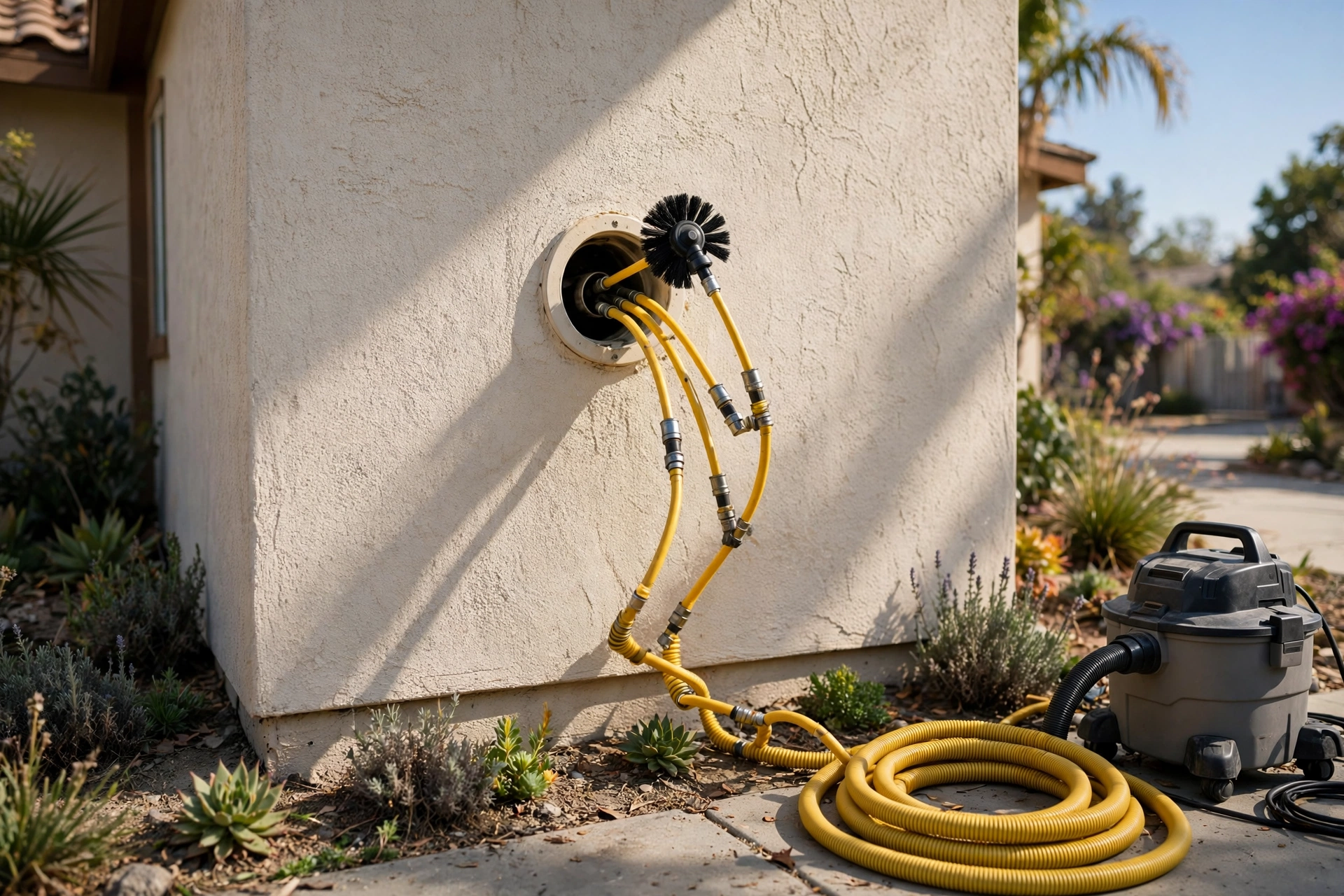
Lint builds up where you cannot see it, airflow drops, and the dryer runs hotter and longer. We clean the full vent run — dryer to termination — with a rotary brush and negative air, and check the airflow before and after.
 Dryer Vent Cleaning in Los Angeles
Your lint trap catches a fraction of what your dryer produces. The rest — fine lint, pushed by hot air at every cycle — coats the inside of the vent run, foot by foot, year by year. As the run narrows, airflow drops, drying times stretch, the dryer runs hotter, and the laundry room starts to feel warm. At the end of that progression is the risk every fire department warns about: lint is fuel, and a vent run packed with it turns a hot dryer into an ignition source.
That is why dryer vent cleaning is an annual job, not a once-a-decade one — and why we clean the full run, not just the trap. A brush kit from the hardware store reaches ten or fifteen feet. Most Los Angeles vent runs are longer than that, with elbows, a vertical rise to a roof termination, or a run through a wall cavity. The full run needs a rotary brush and negative air, and an airflow check at the end to prove it is clear.
What a dryer vent cleaning includes
- Full vent run — dryer to roof or wall termination
- Rotary brush agitation with negative-air extraction
- Transition hose inspection and connection check
- Termination cleaning — roof cap or wall vent, flapper checked
- Airflow check before and after, with the numbers
- Camera footage if the run is damaged — repair quoted separately
What it costs
Typical market ranges for the Los Angeles area — your fixed price comes from the camera inspection, not from a phone guess.
| Full duct system | $280–$850 |
| Dryer vent cleaning | $100–$200 |
| Camera inspection | $120–$250 |
| Evaporator coil cleaning | $150–$380 |
Why a clogged dryer vent is a fire risk
Lint is one of the most flammable common household materials — it ignites easily and burns fast. A dryer produces it constantly, and the vent run is the one place in the house where lint, heat and restricted airflow meet. As lint accumulates, it insulates the run, the dryer works harder to push air through, and operating temperatures climb. The dryer overheats, the lint ignites, and the vent run carries the fire into the wall or the roof.
The warning signs show up long before the fire: clothes that need two cycles to dry, a dryer that feels hot to the touch, a laundry room that warms up when the dryer runs, a burning smell during the cycle, or lint collecting behind the dryer where the hose connects. Any one of those means the run is restricted and the risk is already real. A cleaning removes the fuel and restores the airflow in the same visit.
The other cost of a clogged vent is quieter: energy. A dryer pushing against a restricted vent runs longer per load, uses more electricity or gas, and wears out its heating element and bearings faster. Annual vent cleaning pays for itself in shorter cycles alone — the fire prevention is the reason to do it on schedule instead of waiting for the warning signs.
How we clean a dryer vent
We start at the dryer: disconnect, inspect the transition hose, and check the connection behind the machine — that is where lint escapes into the laundry room and where a crushed or disconnected hose hides. Then the rotary brush goes through the full run, from the dryer to the termination, with negative air pulling everything out. Roof terminations get cleaned from the roof; wall terminations from outside. The brush reaches every elbow and every foot of the run, including the vertical rise that a hardware-store kit cannot reach.
The termination matters as much as the run. A roof cap clogged with lint, a wall vent with a stuck flapper, or a bird's nest in the termination will choke a perfectly clean run. We clean the termination, check that the flapper moves freely, and confirm the airflow at the end with a meter reading — before and after, so you see the difference in numbers, not just in drying time.
If the run is damaged, we show you on camera and quote the repair separately. A crushed foil hose is replaced with rigid metal venting — foil and plastic flex hose are not code-compliant venting and they crush, tear and trap lint. A rodent-chewed run is replaced, not patched over. Repairs are quoted before any work starts, never discovered halfway through the job.
Signs your dryer vent needs cleaning
Most homeowners wait too long because the signs are easy to dismiss — a second cycle here, a warm laundry room there. Treat any of these as a cleaning due, not a curiosity: clothes still damp after a full cycle, the dryer hot to the touch, a burning smell during operation, lint visible behind the dryer or around the hose connection, the vent flap outside barely opening, or a drying time that has crept up over months.
- Clothes need two cycles to dry
- The dryer feels hot to the touch, or the laundry room warms up
- A burning smell when the dryer runs
- Lint collecting behind the dryer or at the hose connection
- The outside vent flap barely opens — or does not open at all
- Drying time has crept up over the last few months
What it costs
Dryer vent cleaning in Los Angeles typically runs $100–$200 for a standard run — that is the typical market range published by local cleaners. The price moves with the run length, the number of elbows, whether the termination is on the roof or a wall, and how accessible the run is. As an add-on to a full air duct cleaning on the same visit, it is the cheapest fire prevention you will ever buy.
Repairs are quoted separately and only when the camera finds damage: a crushed transition hose replaced with rigid metal venting, a rodent-chewed section replaced, a disconnected joint reconnected. No repair is ever done without showing you the camera footage first.
| Job | Typical market range |
|---|---|
| Dryer vent cleaning (standard run) | $100–$200 |
| Dryer vent + full duct cleaning, same visit | Add-on pricing — ask with the inspection |
| Transition hose replacement (rigid metal) | Quoted after camera inspection |
Typical market ranges in Los Angeles. Your fixed price is agreed after inspection.
How often should you clean a dryer vent?
Once a year, minimum — more often if the household does a lot of laundry, if anyone uses fabric softener sheets (they coat the lint trap mesh and the run), or if the vent run is long or has several elbows. The full answer, including the warning signs and the honest limits of DIY brush kits, is in our guide to how often to clean a dryer vent.
Dryer vent repair: crushed hose, rodent damage, metal venting
Most vent problems are not cleaning problems — they are vent problems. A foil transition hose crushed behind the dryer, a plastic flex run sagging in the attic, a joint that separated years ago and has been dumping lint into the wall cavity ever since. Cleaning does not fix those; repair does, and the camera inspection is what finds them. We replace foil and plastic with rigid metal venting, reconnect separated joints, and replace rodent-damaged sections. Every repair starts with camera footage you can see.
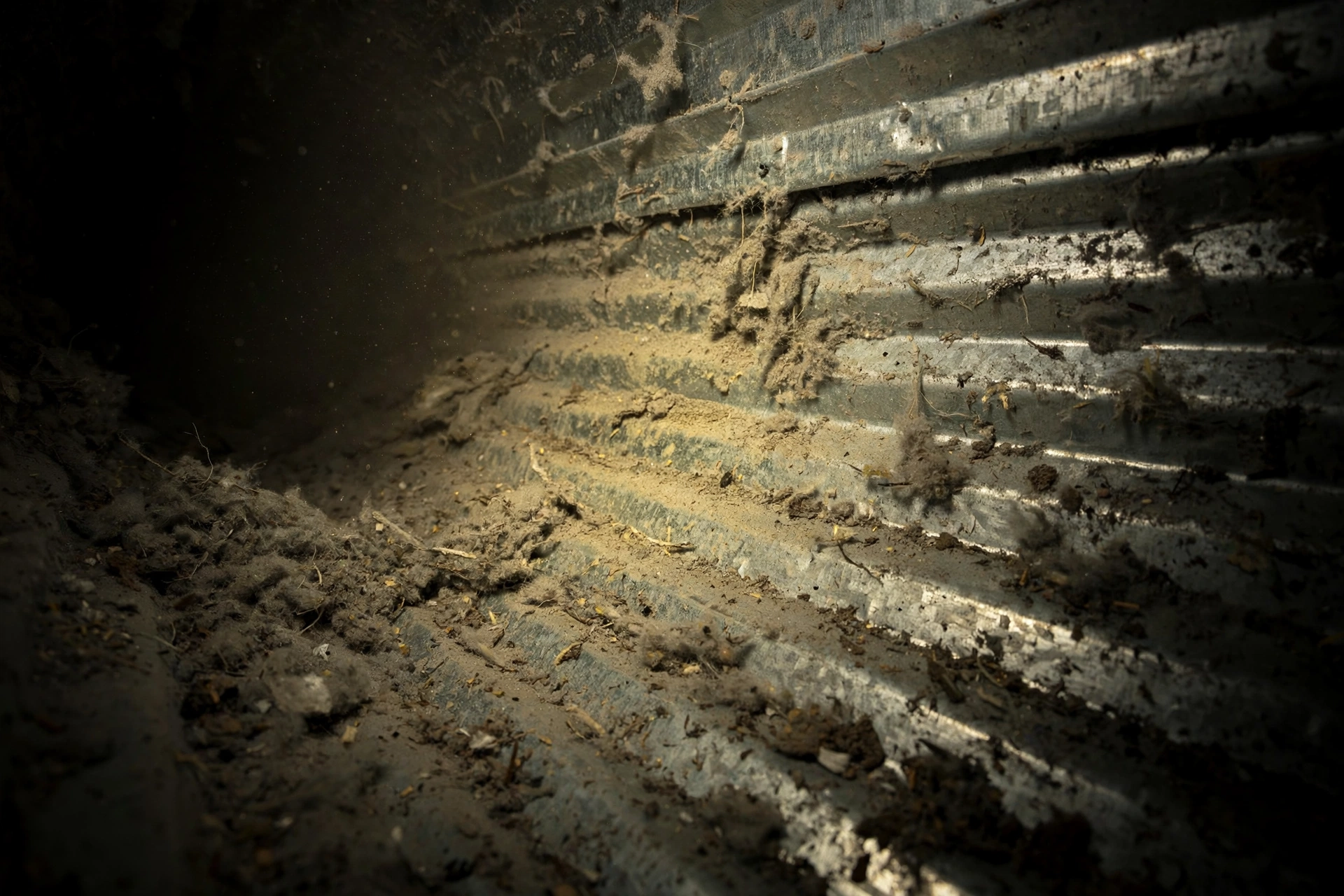
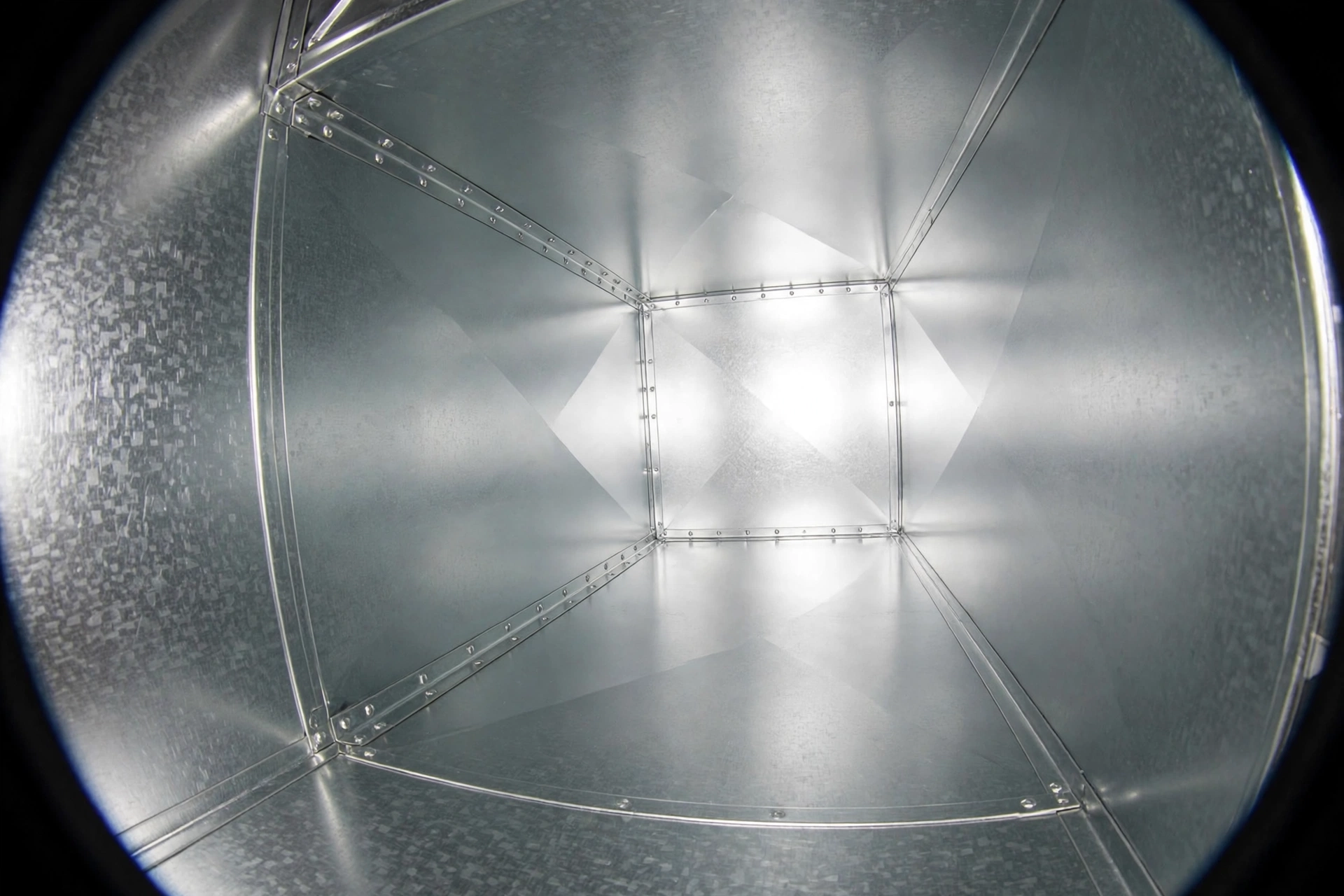
The camera doesn’t lie
Every job gets a camera inspection before and after — and before/after photos you keep. Drag the handle.
Get your free inspection
Tell us about your home and what you are noticing. We will show you the camera footage and give you one flat price for the whole system.
Frequently asked questions
How much does it cost for someone to clean a dryer vent?
What is the dryer lint mistake everyone makes?
Will my house be dusty after duct cleaning?
Can a dryer vent be cleaned from the inside?
How long does it take a professional to clean a dryer vent?
What else we do
2026 Price Guide How Much Does Air Duct Cleaning Cost
The short answer: a full-system cleaning in Los Angeles typically runs $280–$850. The long answer — what moves the price, what the add-ons cost, and how to spot the $99 trap — is below.
Learn more →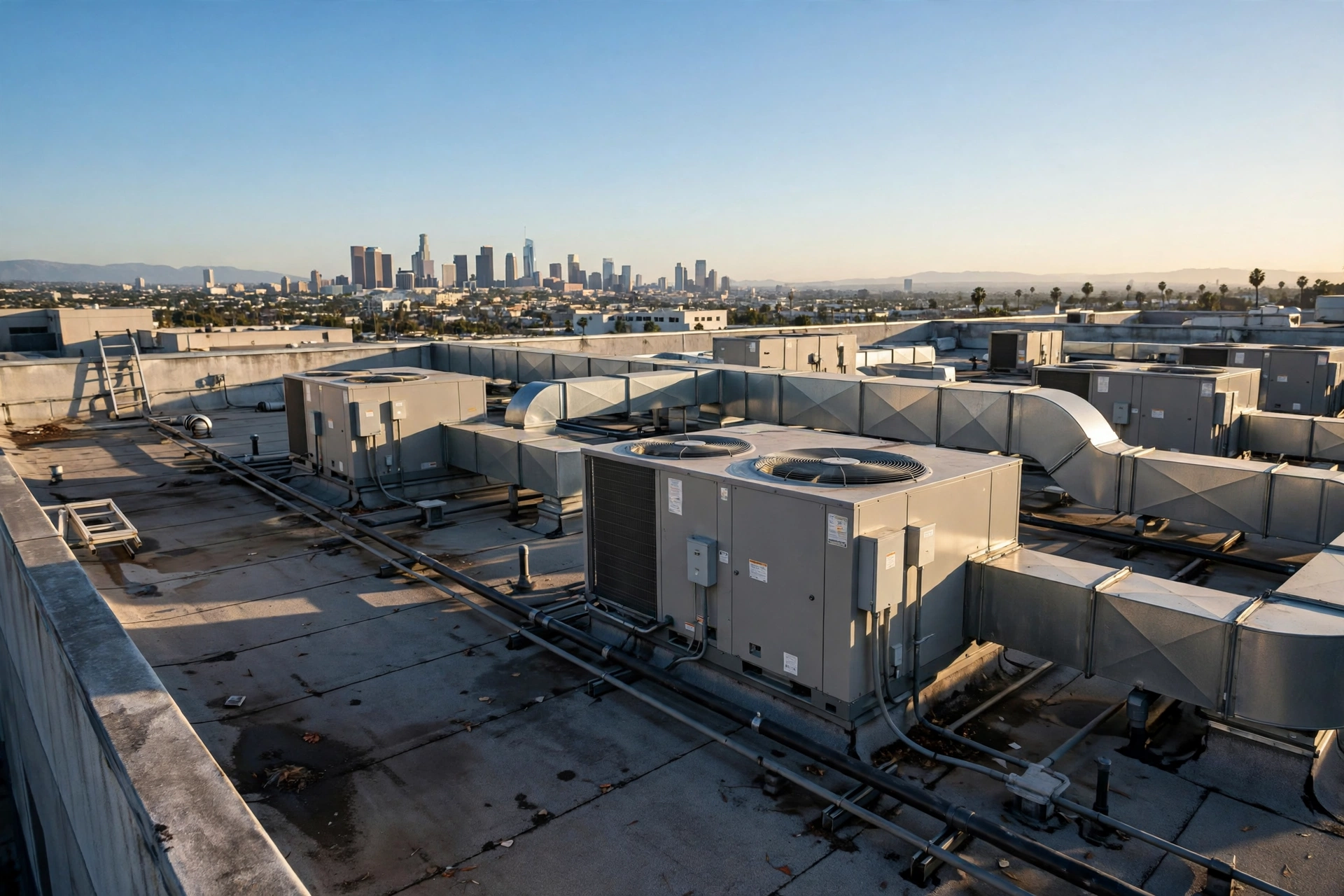 Commercial
 Air Duct Cleaning
Restaurants, historic buildings and multi-unit properties have duct systems that residential crews are not equipped for. We are: rooftop units, grease loads, building-wide scheduling, and documentation your insurer wants.
Learn more →