Radon Testing in Los Angeles — Know Your Number
Radon has no smell, no color and no taste — and it is the second leading cause of lung cancer. The only way to know your number is to test. We test, we explain the result, and we mitigate when it is high.
 Radon Testing in Los Angeles
Radon is a radioactive gas that comes from the natural decay of uranium in soil and rock. It seeps into homes through foundation cracks, floor joints and crawlspaces, and it accumulates indoors because a house is a box with a lid. You cannot smell it, see it or taste it. The only way to know whether your home has a problem is to test — and the test is cheap, fast, and definitive.
Los Angeles is a low-to-moderate radon zone — most of the county sits in EPA Zone 2 or 3 — which is exactly why testing gets skipped here. Low-moderate is not zero: pockets of elevated radon exist in every zone, and the zone map is a county-level average, not a measurement of your house. The EPA's position is straightforward: test every home, whatever the zone.
What a radon test includes
- Test device placed in the lowest lived-in level
- Short-term, long-term or continuous monitor — your choice
- Written result with the pCi/L number and EPA context
- Plain-English explanation of what the number means
- Mitigation quote if the number is at or above 4 pCi/L
- Post-mitigation retest to confirm the fix
What it costs
Typical market ranges for the Los Angeles area — your fixed price comes from the camera inspection, not from a phone guess.
| Full duct system | $280–$850 |
| Dryer vent cleaning | $100–$200 |
| Camera inspection | $120–$250 |
| Evaporator coil cleaning | $150–$380 |
What radon is (and why Los Angeles still tests)
Radon is the second leading cause of lung cancer after smoking, and the leading cause among non-smokers. It is measured in picocuries per liter — pCi/L — and the EPA's action level is 4 pCi/L: at or above that number, the EPA recommends mitigation. The average indoor level in the United States is about 1.3 pCi/L; the average outdoor level is about 0.4. A home at 4 pCi/L carries roughly the lung-cancer risk of smoking half a pack of cigarettes a day — not because the gas is acutely toxic, but because the exposure is every hour, every day, for years.
Los Angeles homes are not exempt. The county's Zone 2/3 rating means the average is low, not that every home is low. Geology varies street by street, and a home with a slab crack, a crawlspace, or a basement room can test high while the house next door tests at 1. The test costs less than a dinner out. The risk of not testing is years of exposure you never knew about.
Short-term vs long-term vs continuous monitor
Three test types, three different answers. A short-term test runs 2–7 days with a charcoal canister or an electret detector: fast, cheap, and good enough to tell you whether you have a problem. A long-term test runs 90 days or more with an alpha-track detector: slower, but it averages out the daily and seasonal variation and gives the number your lungs actually experience. A continuous radon monitor runs for 48 hours minimum and records hourly readings — the most accurate short option, and the one that shows whether the number spikes at night or after rain.
The right choice depends on the question. Selling a house or buying one: a continuous monitor, 48 hours, with an hourly log. Screening your own home: a short-term test first, and a long-term test if the short-term number is anywhere near 4. Confirming a mitigation worked: a long-term test after the system is installed.
What the result means (4 pCi/L action level)
Below 2 pCi/L: low, retest in a few years or after a major renovation. 2–4 pCi/L: consider mitigation, especially if anyone in the house smokes or spends long hours in the lowest level — the risk is real below the action level, it is just lower. At or above 4 pCi/L: the EPA recommends mitigation, and the number should be retested after mitigation to confirm it dropped. Above 8 pCi/L: mitigate promptly and retest — the system will bring it down, but the exposure until then is significant.
If the number is high: mitigation
Mitigation is sub-slab depressurization: a pipe and a quiet fan that draws radon from beneath the slab and vents it above the roofline, before it can enter the house. It is a proven, mechanical fix — not a filter, not a sealant, not a hope. A typical system brings a home from 8–10 pCi/L down below 2, and it runs continuously for the life of the house on less electricity than a light bulb. After installation, a long-term test confirms the number, and the system is checked annually.
What testing costs
A short-term test is the low end; a continuous monitor with an hourly log and a written report is the high end; a long-term test sits between them and takes 90 days. Mitigation is quoted after the test — it depends on the foundation type, the slab condition, and the routing for the vent pipe. Every test includes a written result with the pCi/L number, the EPA action level for context, and a plain-English explanation of what to do next.
The camera doesn’t lie
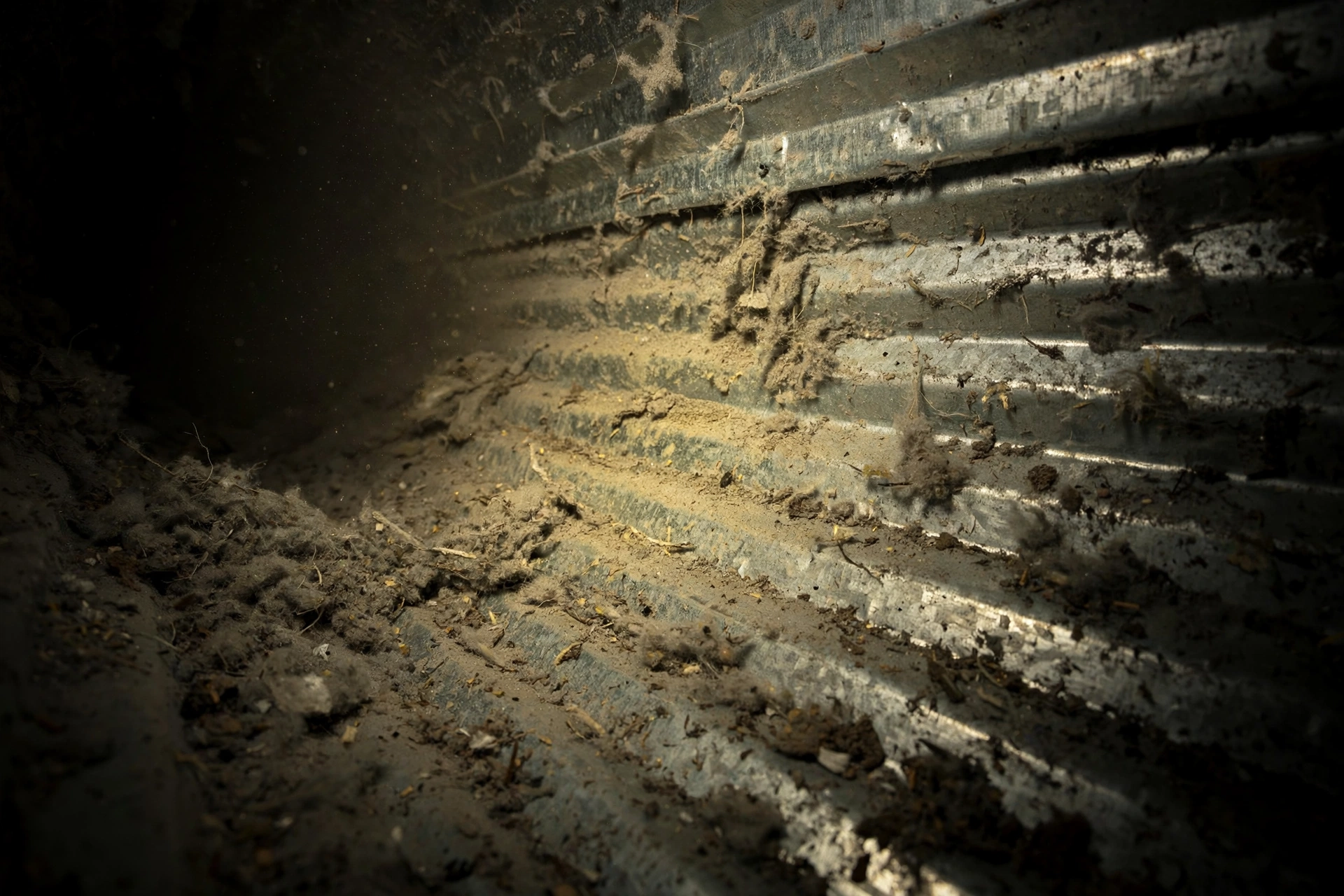
Every job gets a camera inspection before and after — and before/after photos you keep. Drag the handle.
Get your free inspection
Tell us about your home and what you are noticing. We will show you the camera footage and give you one flat price for the whole system.
Frequently asked questions
Should I have my house tested for radon?
Does homeowners insurance cover radon removal?
Does opening a window get rid of radon?
Which radon test is most accurate?
What else we do
2026 Price Guide How Much Does Air Duct Cleaning Cost
The short answer: a full-system cleaning in Los Angeles typically runs $280–$850. The long answer — what moves the price, what the add-ons cost, and how to spot the $99 trap — is below.
Learn more →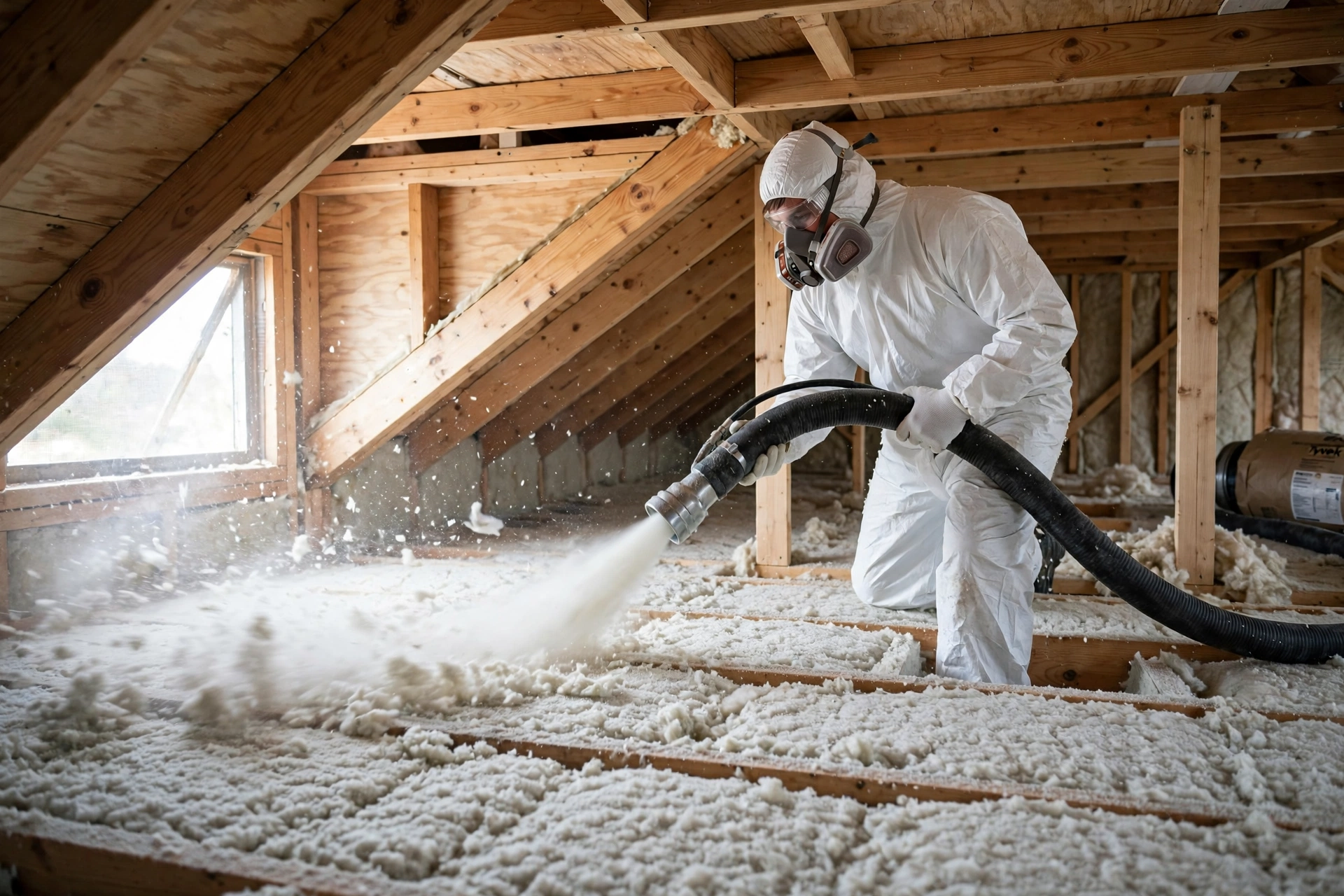 Attic Insulation
 in Los Angeles
Your attic is where your air conditioning goes to die: 140°F in July, and your cooled air leaking out through the ceiling. Insulation plus air sealing fixes the leak at the source.
Learn more →