How Often Should Air Ducts Be Cleaned in Los Angeles?
The short answer is 3–5 years. The real answer is: it depends on what has happened to your house since the last cleaning — and Los Angeles gives your ducts more to deal with than most cities.
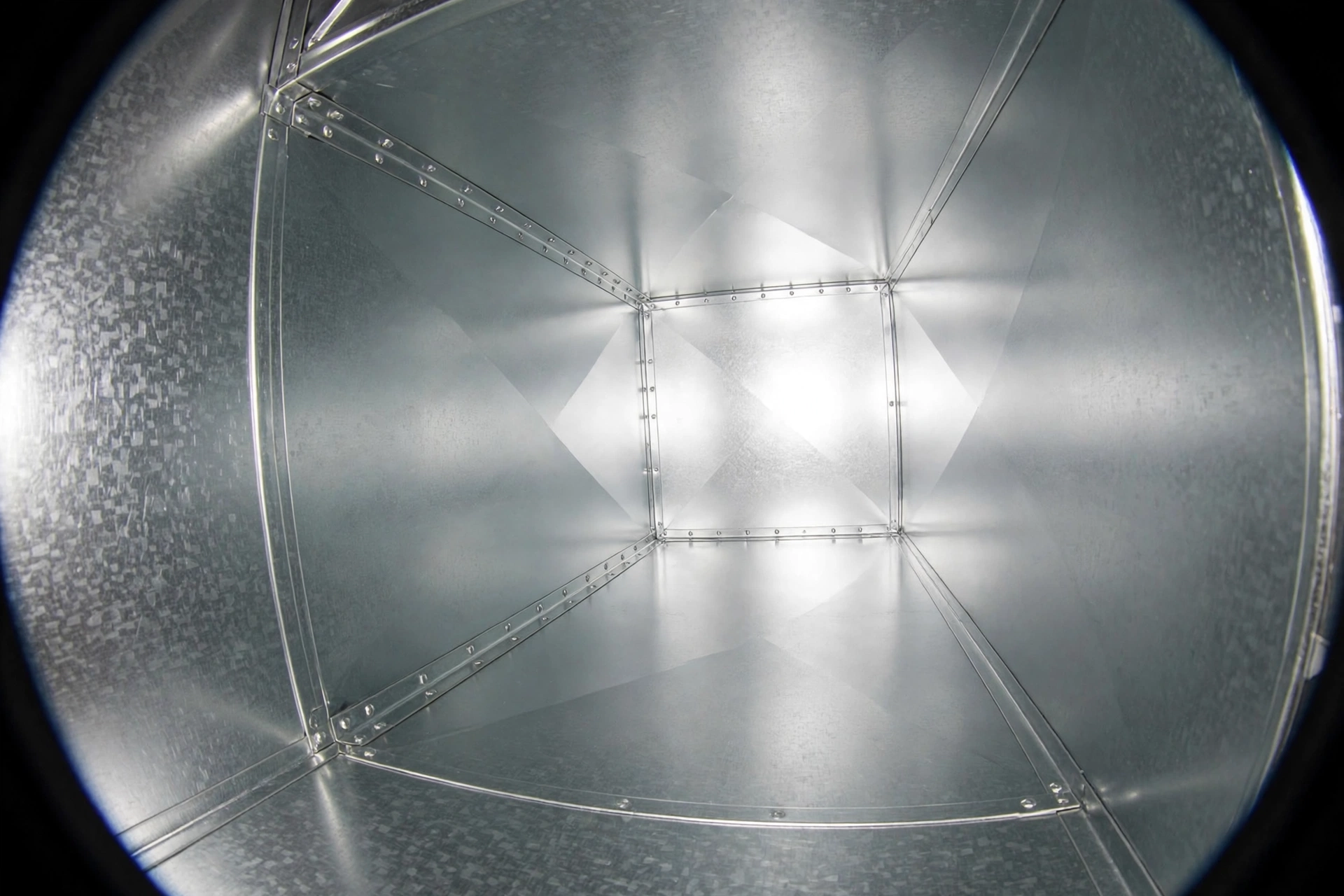
NADCA — the Air Conditioning Contractors' association that writes the ACR Standard for duct cleaning — gives a baseline of 3–5 years for a typical home. It is a baseline, not a rule: it assumes a normal home, a normal climate, and nothing unusual happening to the house. Los Angeles is not a normal climate for ducts, and most homes have something unusual happen to them inside five years — a renovation, a wildfire season, a move, a pet, an allergy diagnosis.
This post is the full schedule: the baseline, the six signs that it is time now, the best time of year, and the four events that reset the clock to zero.
The short answer: 3–5 years
For a typical Los Angeles home — one HVAC system, filters changed on schedule, no renovation, no fire exposure, no pets — the NADCA baseline of 3–5 years is right. The ducts accumulate dust steadily, the coil loads up gradually, and after three to five years the accumulation is enough that a cleaning makes a measurable difference in airflow and air quality. Before three years, in a normal home, the camera usually shows a system that does not need cleaning yet — and the honest answer is to wait.
The baseline moves with the house. A home with pets, with allergy sufferers, or with a system that runs constantly in summer accumulates faster. A home with a new system and sealed ducts accumulates slower. The camera inspection is the way to know where your house sits on the range — and it is free.
Six signs it is time now
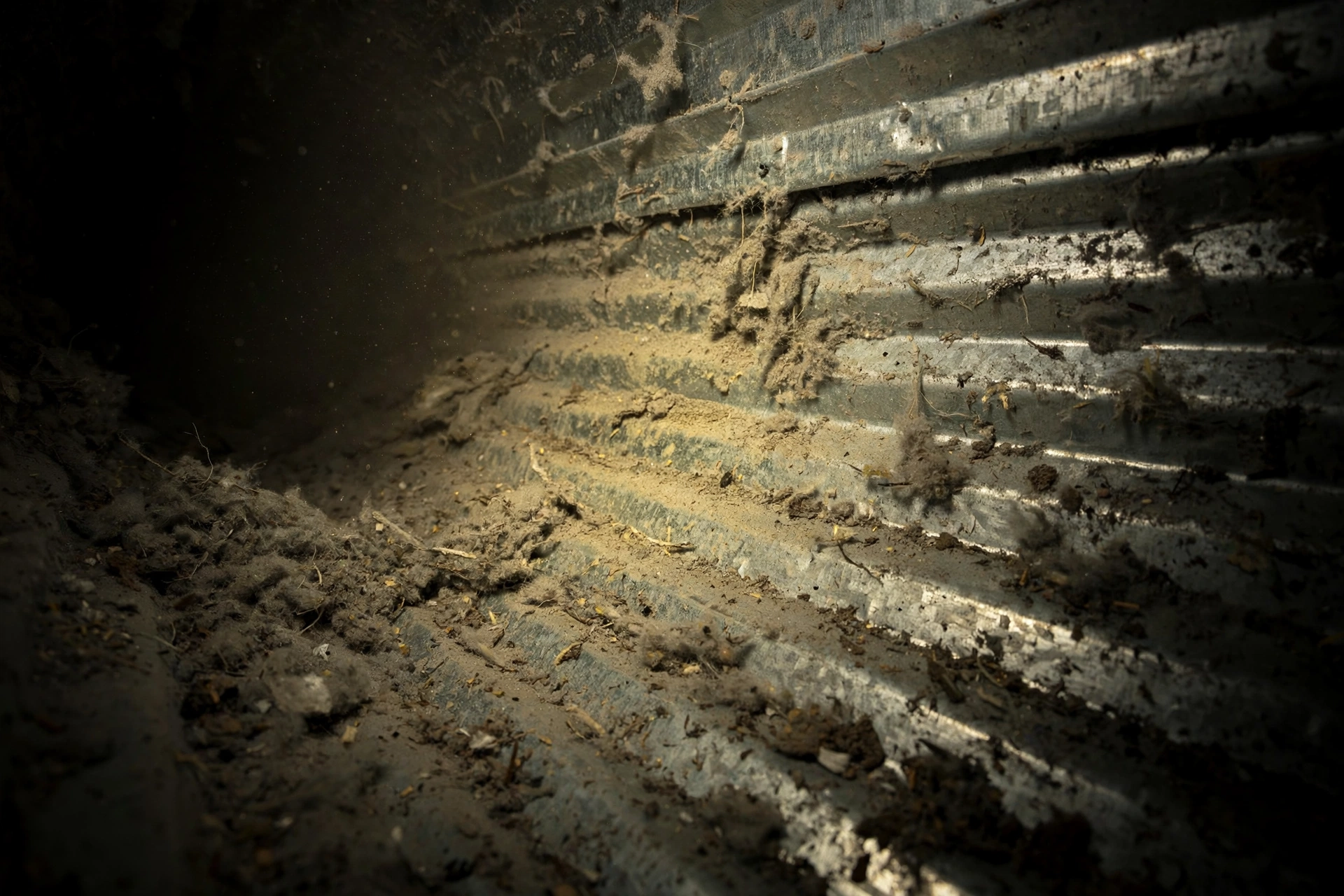
The calendar is the schedule; the signs are the override. Any one of these means the 3–5 year baseline no longer applies and the cleaning is due now: dust puffing from the registers when the system starts, a musty or smoky odor when the heat or AC runs, allergy flare-ups that are worse indoors than outdoors, uneven airflow from room to room, visible debris or mold in a register, or a system that runs longer than it used to for the same temperature.
- Dust puffing from registers on startup
- Musty or smoky odor when the system runs
- Allergy flare-ups worse indoors than outdoors
- Uneven airflow from room to room
- Visible debris or mold in a register
- The system runs longer than it used to
Best time of year
Spring or fall, before the AC season — the system is about to work its hardest, and a clean system works less hard for the same cooling. Spring has a second advantage in Los Angeles: it follows the winter rain and the fire season, so the ducts carry the winter's accumulation and the cleaning clears it before summer. Fall is the second-best time: after the summer's heavy use, before the heating season. The worst time is the middle of a heat wave, when every duct company is booked and the system is running at full load.
After a renovation, a wildfire, or a move
Four events reset the clock to zero, whatever the calendar says. A renovation: construction dust enters the duct system through every open register and every gap, and it stays there until it is removed — clean after any remodel that opened walls or ceilings. A wildfire: smoke and ash enter the ducts and settle deep, and post-fire cleaning needs HEPA negative air and a coil pass. A move: a home with unknown duct history deserves an inspection before the first summer — the previous owner may never have cleaned the ducts, and the camera will tell you in five minutes. And a new allergy diagnosis: if someone in the house develops allergies that flare indoors, the ducts are the first thing to inspect.
What happens if you never clean them
Nothing dramatic, at first. The ducts accumulate dust, the coil loads up, airflow drops a little each year, and the system runs longer cycles for the same cooling. The electric bill creeps up. The air quality declines gradually enough that nobody notices — until a trigger: a renovation, a fire season, a new baby, an allergy diagnosis. The system does not fail suddenly. It degrades quietly, and the cleaning that would have been routine becomes a remediation. The camera inspection is free, and it is the cheapest way to know where your system stands.
Want us to look at yours?
A camera inspection tells you in 20 minutes what your ducts actually look like — free, no obligation, and you keep the footage.
Frequently asked questions
How often should air ducts be cleaned?
How much does air duct cleaning cost in Los Angeles?
What time of year should I clean air ducts?
How often should you clean air ducts?
How Much Does Air Duct Cleaning Cost
Where we work
Keep reading
Is Duct Cleaning a Waste of Money?
The EPA says routine cleaning is not proven necessary for every home. It also says cleaning is worth it when there is a reason. This post is the reason list — and the scam list.
Read the guide →
How Often Should You Clean
Once a year, minimum. Lint is fuel, the vent run is where it accumulates, and a clogged dryer vent is the leading cause of dryer fires. The signs, the schedule and the honest DIY limits are below.
Read the guide → How Much Does Dryer Vent Cleaning Cost
The short answer is $100–$200 for a standard run. The price moves with the run length, the elbows, and whether the termination is on the roof or a wall — and the fire-safety math makes it the cheapest prevention you will ever buy.
Read the guide →