Attic Insulation Removal: When to Rip It Out (and When Not To)
Sometimes the right job is removal before installation. Sometimes it is a waste of money. This post is the decision framework — the four cases where removal is required, and the cases where topping up is enough.
The question every homeowner with old attic insulation asks is the same: do I have to rip it out, or can I just add more on top? The answer depends on what is in the attic, and the inspection is how you find out. This post is the four cases where removal is required, the cases where topping up is enough, how removal actually works, and what happens after.
A note on scope: removal is assessed case by case, during the attic inspection. It is not a standalone service with a fixed price — it is a step in an insulation job, quoted when the inspection shows it is needed.
When removal is required: four cases
Rodent contamination is the first and most common: droppings, urine, nesting material and chewed insulation in the attic. Contaminated insulation is a health hazard, not just an insulation problem — it carries allergens and pathogens, and topping up over it buries the contamination without removing it. The removal is HEPA vacuum work, bagged and sealed, and it is followed by air sealing and sanitizing before new insulation goes in.
Water damage is the second: insulation that has been soaked — by a roof leak, a plumbing leak, or condensation — loses its R-value when wet, and wet insulation grows mold. Compressed or failed insulation is the third: insulation that has settled, compressed or deteriorated to the point where it no longer performs cannot be fixed by topping up, because the failed layer underneath continues to underperform. Failed spray foam is the fourth: off-ratio or badly installed foam that has shrunk, pulled away from framing, or trapped moisture. Removal is the only fix when foam has failed.
- Rodent contamination — droppings, urine, nesting material
- Water damage — soaked insulation loses R-value and grows mold
- Compressed or failed insulation that no longer performs
- Failed spray foam — off-ratio, shrunk, or trapping moisture
When topping up is enough
Sound, dry, uncontaminated insulation can be topped up. The test is the inspection: the existing insulation is dry, it is not contaminated, it has not compressed beyond its rated depth, and there is no mold or vermin evidence. In that case, adding blown-in cellulose or batts on top brings the attic to R-30 or R-38 at a fraction of the cost of a removal — and the air sealing underneath is what makes the top-up perform.
The inspection is the decision-maker. A homeowner cannot tell from the attic hatch whether the insulation is sound or contaminated, and a company that quotes removal without inspecting is quoting a sales number. The inspection photographs the attic, measures the depth, and tests for contamination — and the quote follows what the inspection finds.
How removal works: the HEPA vacuum process
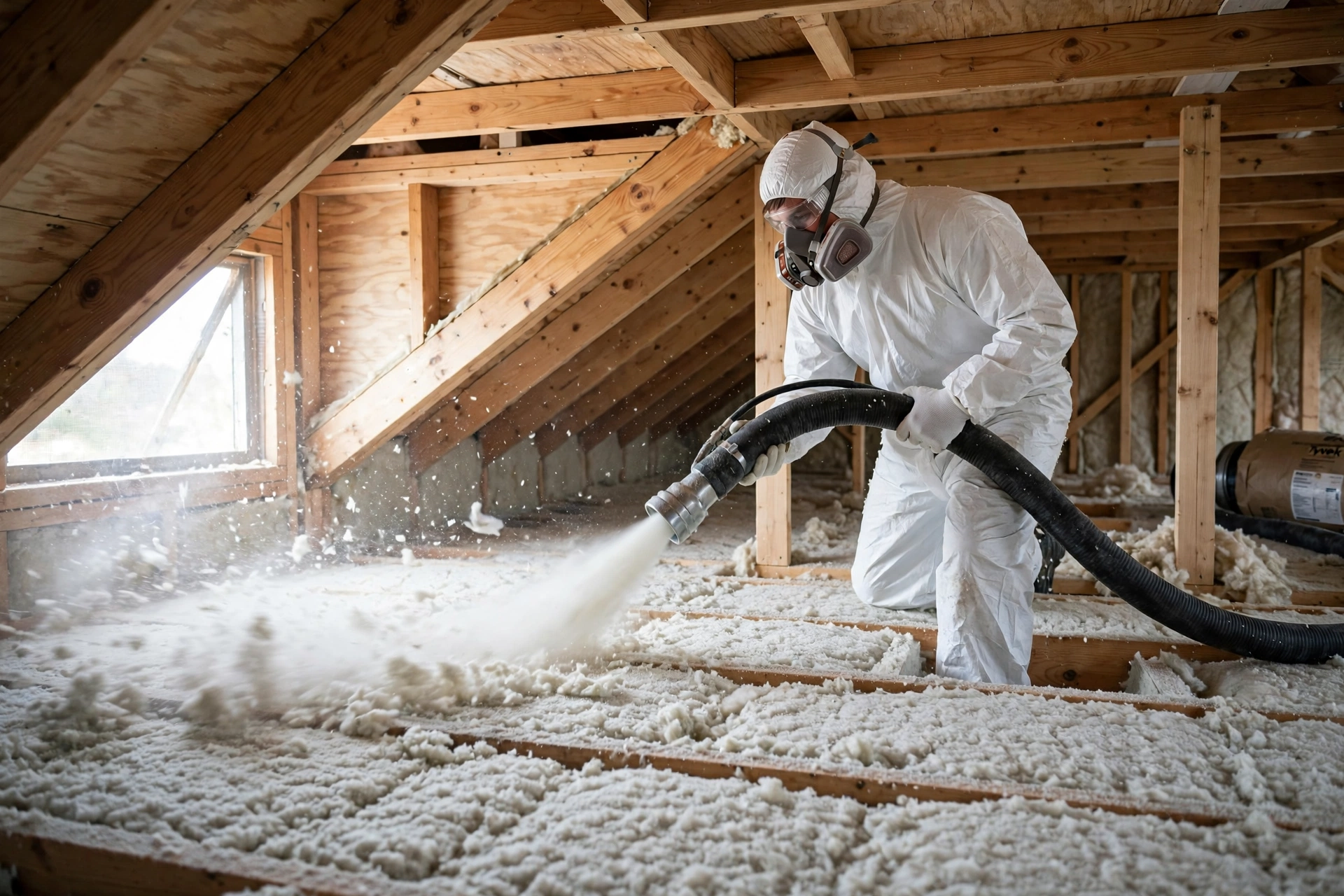
Removal is done with a HEPA vacuum system: a large-diameter hose run from the attic to a truck-mounted vacuum, pulling the old insulation out through the hose and into sealed bags — not carried through the house in open bags, and not blown into the living space. The crew works in protective equipment, the attic is sealed off from the living space during the work, and the vacuum's HEPA filtration captures the fine particulate that a shop vacuum would exhaust back into the air.
The process takes a day for a typical home, and it is messy work done cleanly: the attic is left empty, swept, and ready for air sealing. The bags are sealed and disposed of. The crew does not leave until the attic is empty and the living space is as clean as it was when they arrived.
What happens after: air sealing and new insulation
After removal, the attic gets air sealing before the new insulation goes in: foam and caulk closing the ceiling penetrations — recessed lights, plumbing penetrations, wiring holes, the attic hatch — so the new insulation performs at its rated R-value instead of leaking conditioned air around it. Then the new insulation: blown-in cellulose, batts or spray foam, matched to the attic, installed to the target R-value, and verified by depth measurement.
The sequence matters: removal, air sealing, then insulation. Skipping the air sealing after a removal is the most common failure in the trade — the new insulation sits on top of the same gaps the old insulation sat on, and performs no better than what it replaced.
What it costs
Removal is priced with the insulation job, not as a standalone number — it depends on the attic size, the amount and type of old insulation, the contamination level, and the access. A clean removal of a small attic is the low end; a contaminated removal of a large attic with tight access is the high end. The quote lists removal, air sealing and new insulation separately, so you can see what each step costs — and the inspection decides whether removal is needed at all.
Want us to look at yours?
A camera inspection tells you in 20 minutes what your ducts actually look like — free, no obligation, and you keep the footage.
Frequently asked questions
Should I remove old attic insulation before adding new?
Why are people removing spray foam insulation?
How much does attic insulation removal cost?
Attic Insulation in Los Angeles
Where we work
Keep reading
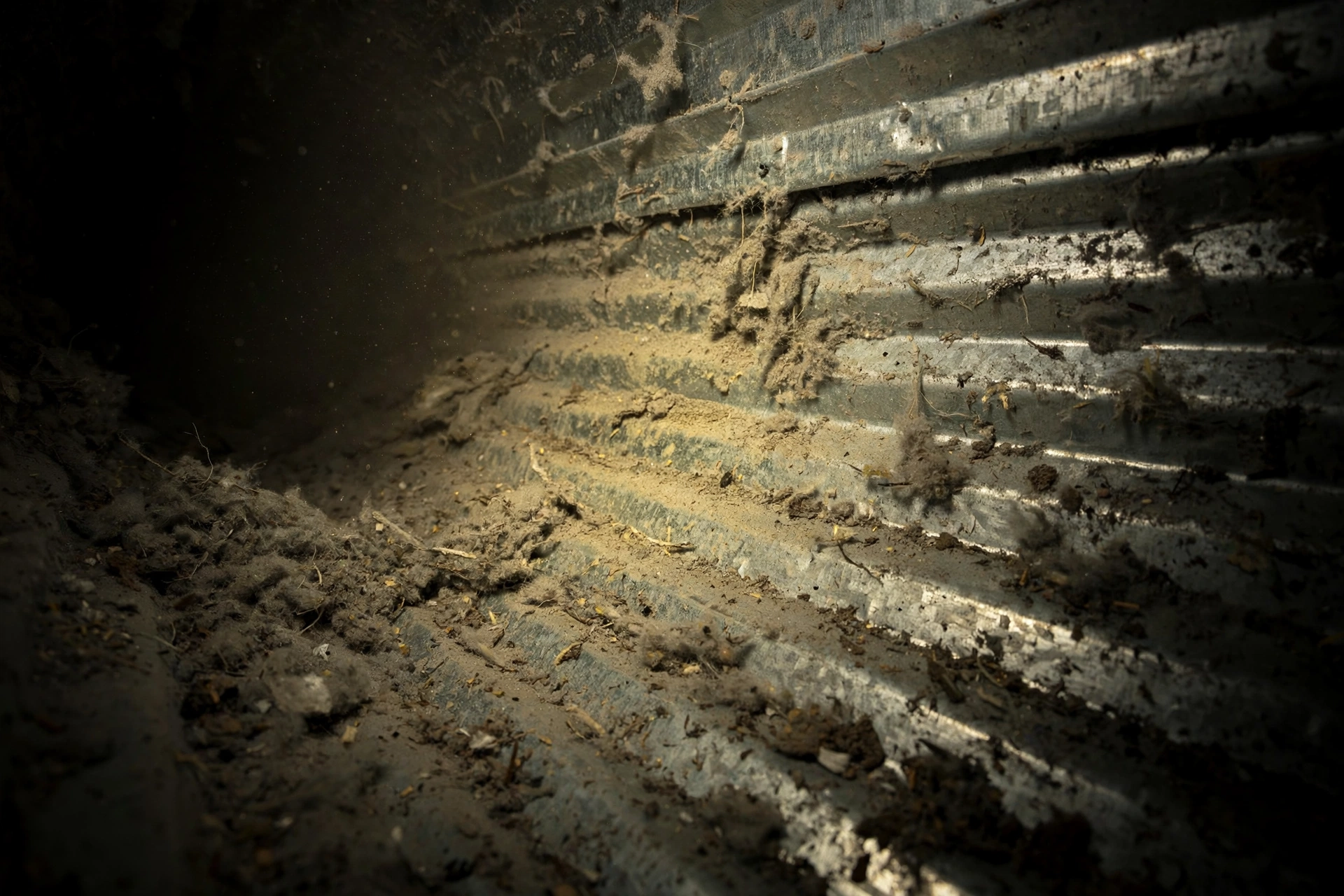
Is Duct Cleaning a Waste of Money?
The EPA says routine cleaning is not proven necessary for every home. It also says cleaning is worth it when there is a reason. This post is the reason list — and the scam list.
Read the guide →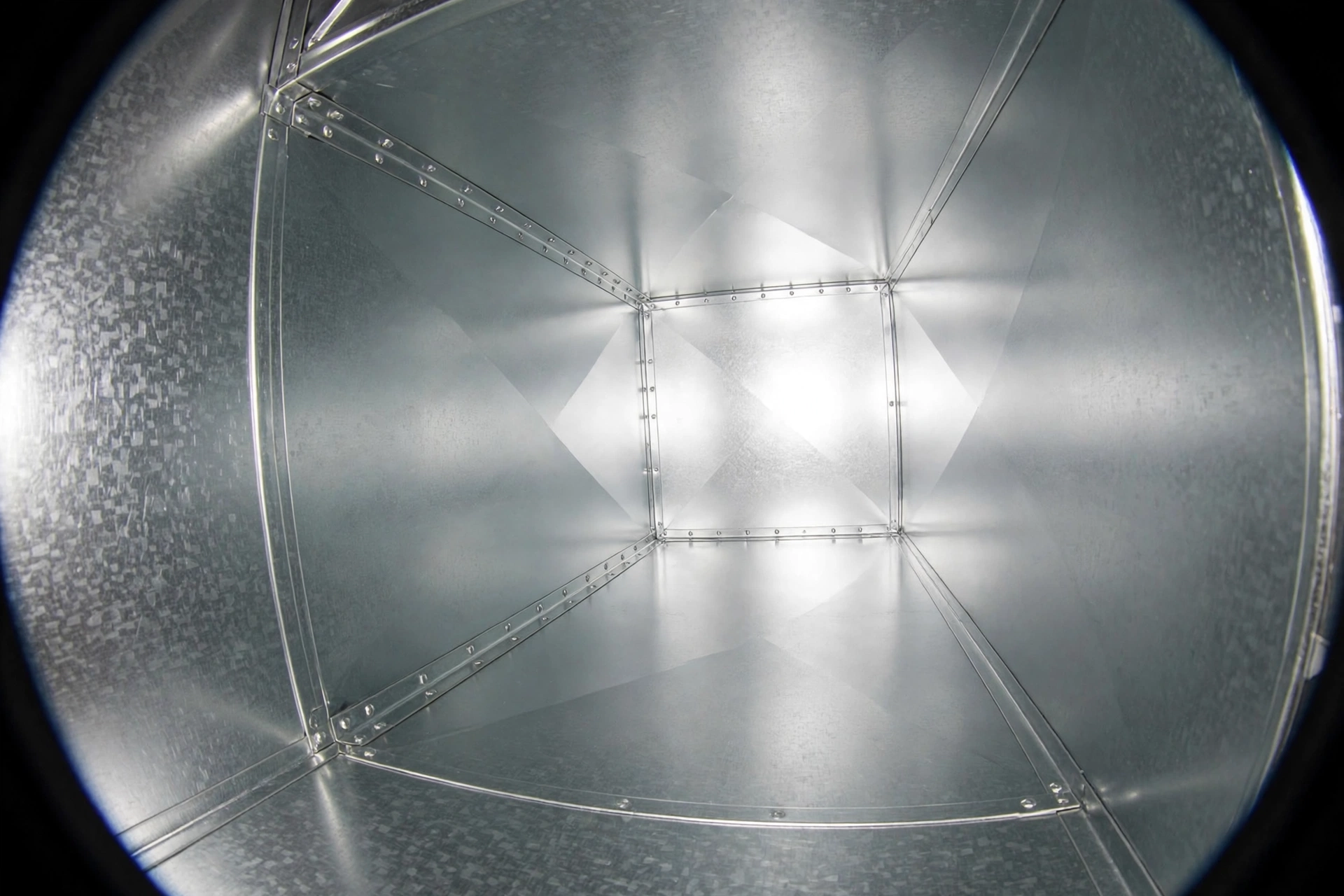
How Often Should Air Ducts Be Cleaned
The short answer is 3–5 years. The real answer is: it depends on what has happened to your house since the last cleaning — and Los Angeles gives your ducts more to deal with than most cities.
Read the guide →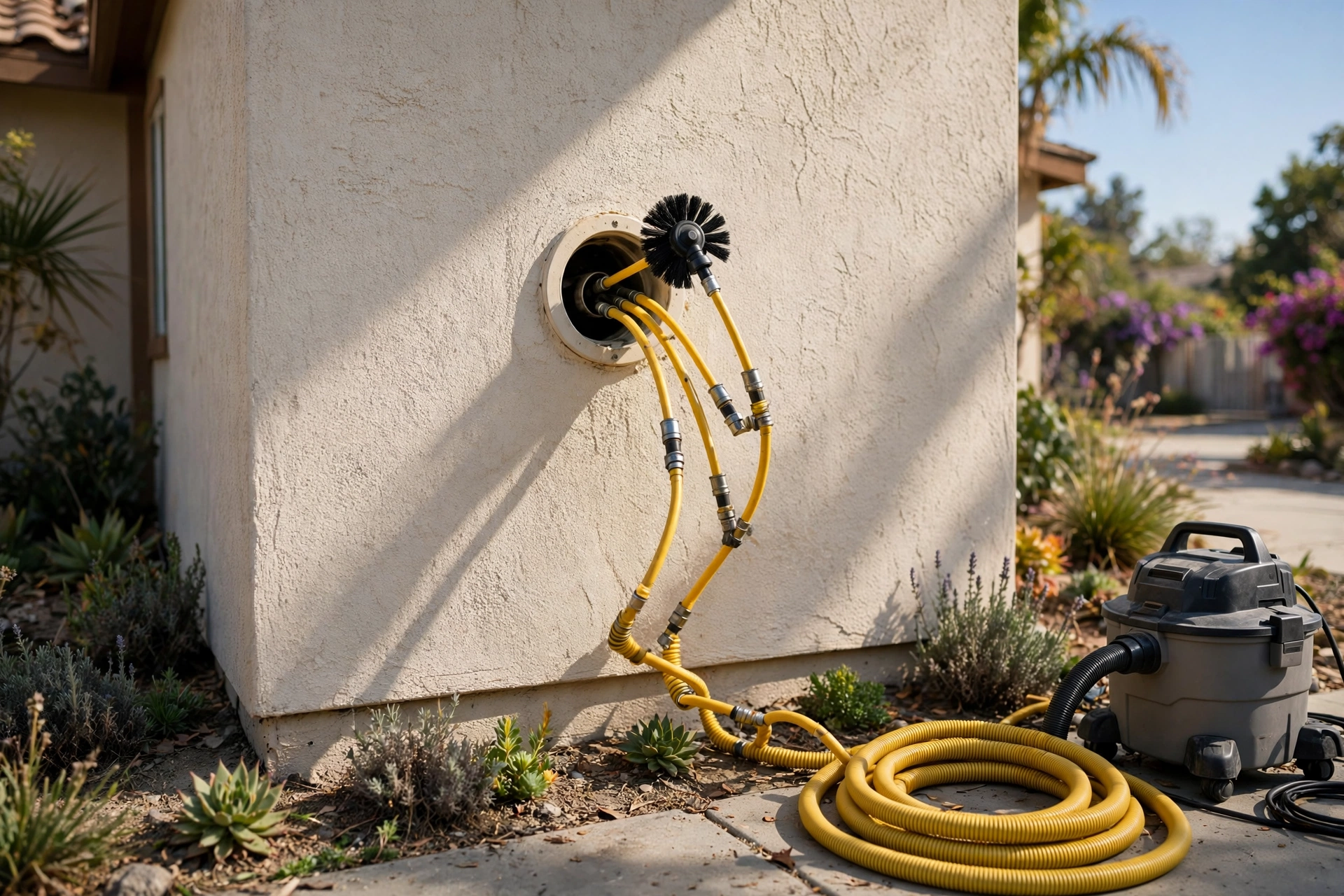
How Often Should You Clean
Once a year, minimum. Lint is fuel, the vent run is where it accumulates, and a clogged dryer vent is the leading cause of dryer fires. The signs, the schedule and the honest DIY limits are below.
Read the guide →