Air Duct Cleaning After Wildfire Ash: What the Eaton Fire Left in Your Ducts
The fire did not have to reach your house to reach your ducts. The Eaton Fire left fine ash and PM2.5 inside duct systems across the foothills — and it is still there, recirculating on every cycle, until it is removed.
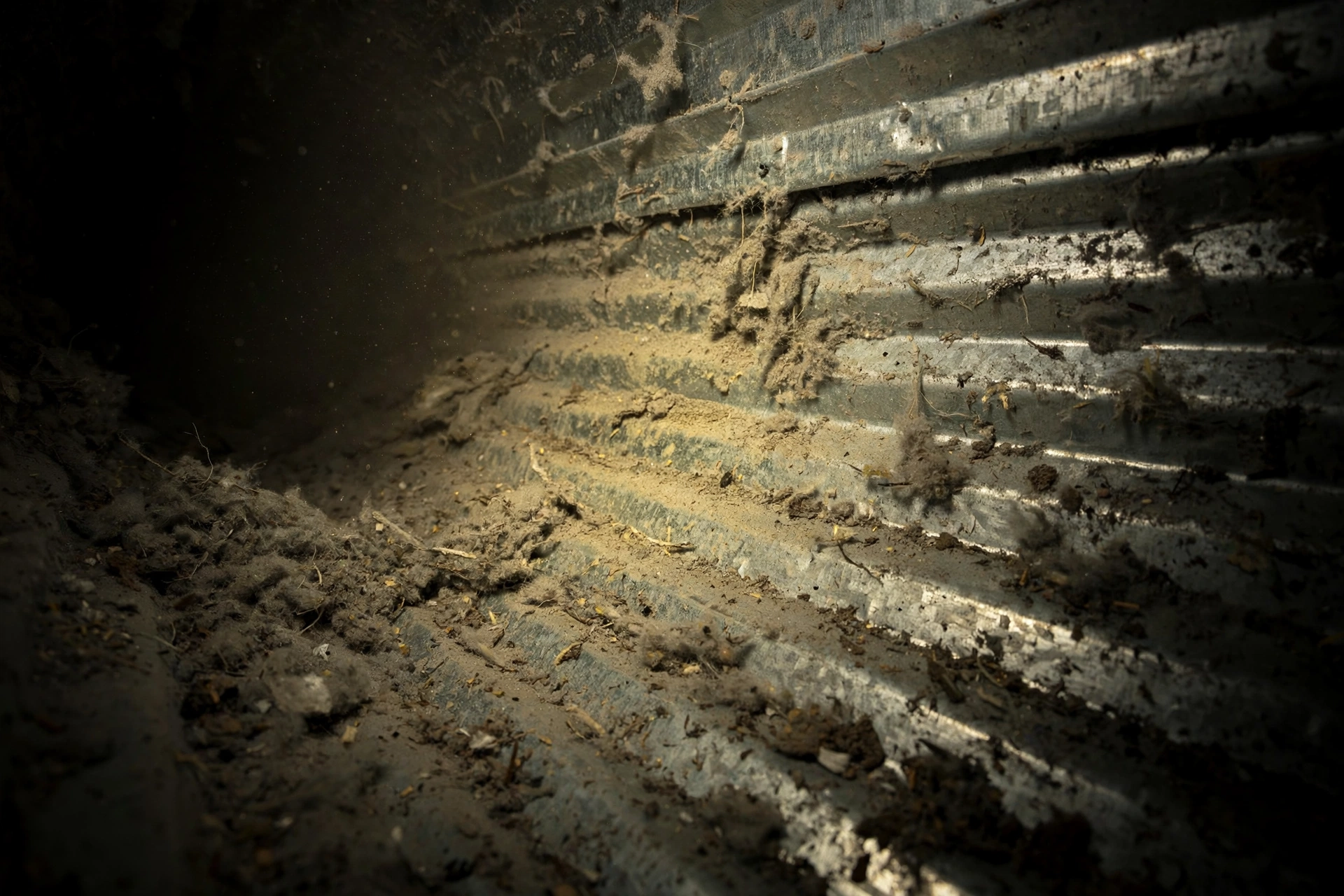
January 2025: the Eaton Fire burned through the foothills above Altadena, La Cañada Flintridge and Pasadena, and the smoke and ash drifted for miles — into homes that were never touched by flame, through every intake and every gap, settling deep in duct runs where ordinary dust never reaches. Months later, homes that smell of smoke when the system runs, homes where the filter loads up in weeks instead of months, homes where the allergies started in January and never stopped: the ash is still in the ducts.
This post is the guide to what wildfire ash does inside a duct system, how it differs from ordinary dust, what post-fire cleaning includes, and the insurance paperwork that turns a cleaning into a claim.
What wildfire ash does inside ducts
Wildfire ash is combustion residue: the remains of everything that burned, reduced to fine particulate — PM2.5 and smaller — that penetrates deep into the lungs and deep into a duct system. It settles in the deepest parts of the runs, loads the evaporator coil, and re-enters the living space every time the system runs. The smell is the most obvious sign — a smoke smell that returns every time the system starts, months after the fire — but the particulate is the real problem, and it is invisible.
The health question is the reason to act. Fine particulate penetrates deep into the lungs, and a duct system loaded with ash recirculates it through the house on every cycle. Children, older residents, and anyone with asthma or allergies feel it first. The cleaning removes the reservoir; a filter upgrade — MERV 13, changed immediately after the cleaning — keeps it from rebuilding.
Ash vs ordinary dust
Ordinary dust is mostly skin cells, pollen and fabric fiber — coarse, visible, and easy to remove with a rotary brush. Ash is finer, more persistent, and chemically different: it carries combustion byproducts, it settles deeper, and it does not come out with a single pass. Post-fire cleaning needs more passes, more containment, and a coil and blower pass — because the ash that matters most is the ash on the coil, where moisture and heat turn it into a coating that ordinary cleaning does not touch.
The camera distinguishes them: dust is grey and powdery, ash is finer and darker, and it coats the runs in a way dust does not. The inspection shows which one your system carries, and the quote follows the inspection — a standard cleaning for dust, a post-fire remediation for ash.
What post-fire cleaning includes
A camera inspection before and after, so you see the ash before and the clean metal after. Source removal under HEPA negative air — the system sealed under suction, each run agitated with a rotary brush, the ash pulled out of the house through the vacuum. A coil and blower pass, because the ash on the coil is the ash that matters most. A filter upgrade to MERV 13, changed immediately after the cleaning. And before/after photos for your records and your insurance file.
Post-fire remediation typically runs $500–$850 in the foothill cities — above the standard $280–$850 range, because ash needs more passes, more containment, and the coil and blower work. The price is agreed after the camera inspection, before any work starts, and it does not change halfway through the job.
The insurance paperwork
Post-fire cleaning is often part of a homeowner's claim, and the claim needs evidence: before/after camera photos, a written scope of what was cleaned, the equipment used, and the date. We deliver that documentation with the invoice, as a matter of course — it is part of the job in the foothill cities, not an extra you have to ask for. Keep the photos, keep the invoice, and keep the filter receipt: the claim file is the cleaning file.
The documentation also serves the next owner. A home that was cleaned after the Eaton Fire, with photos and an invoice, is a home whose duct history is documented — and a home whose next buyer does not have to guess what is in the ducts.
When to test, when to clean
Clean when the camera shows ash — which, in the foothill cities, it usually does. Test when the question is whether the ash has affected the indoor air beyond the ducts: an indoor air quality test, or a filter analysis, tells you what the system is recirculating. The cleaning removes the reservoir in the ducts; the test tells you whether the reservoir is the whole problem or whether the home needs more — a deeper cleaning, a filter upgrade, or a remediator for ash that has settled beyond the duct system.
The timing is now, not next season. Ash does not degrade on its own, and every cycle recirculates it. The right time to clean after the Eaton Fire was January 2025. The second-best time is today.
Want us to look at yours?
A camera inspection tells you in 20 minutes what your ducts actually look like — free, no obligation, and you keep the footage.
Frequently asked questions
Should I clean my air ducts after a wildfire?
How much does post-fire duct cleaning cost?
Will my insurance cover post-fire duct cleaning?
How Much Does Air Duct Cleaning Cost
Where we work
Keep reading
Is Duct Cleaning a Waste of Money?
The EPA says routine cleaning is not proven necessary for every home. It also says cleaning is worth it when there is a reason. This post is the reason list — and the scam list.
Read the guide →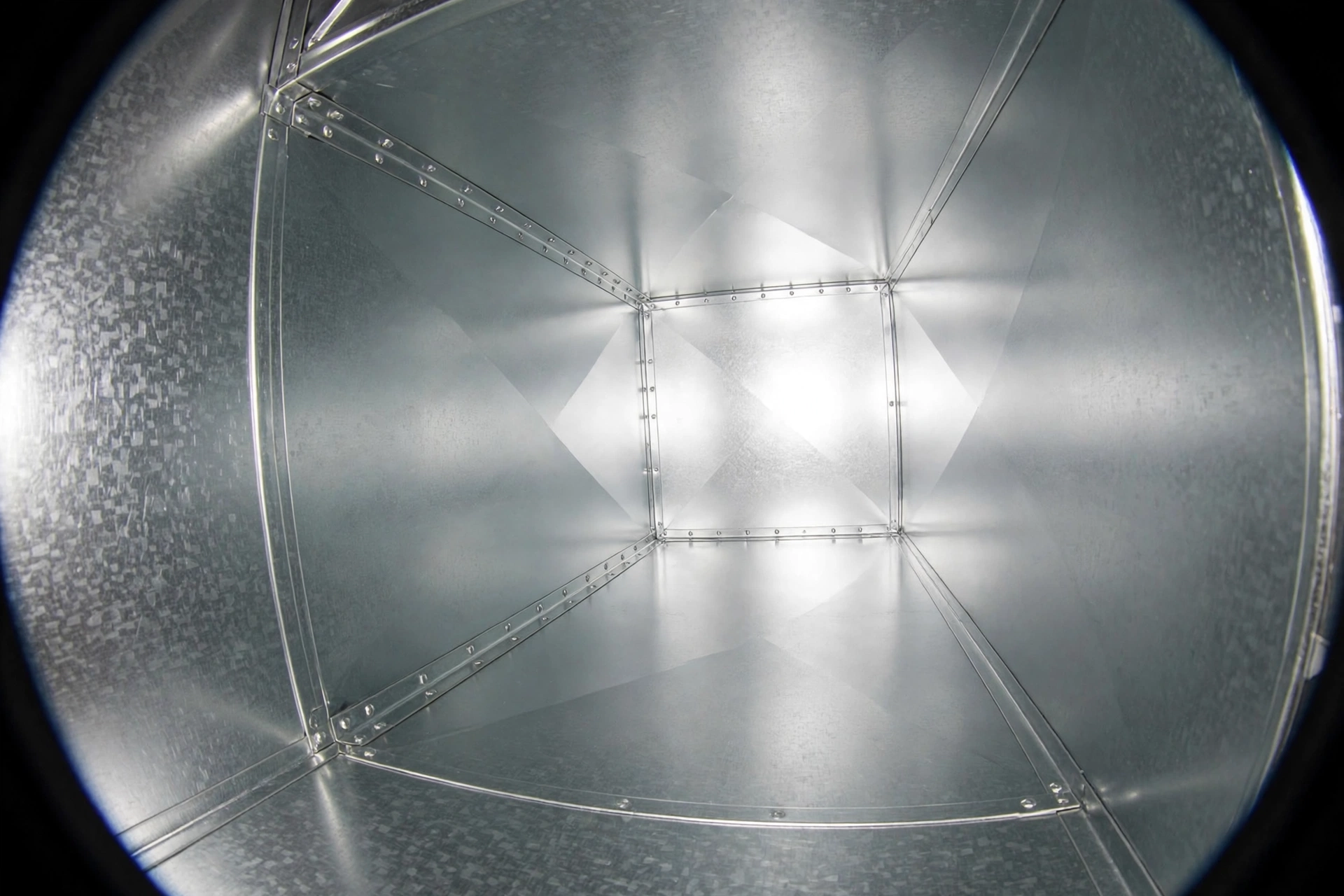
How Often Should Air Ducts Be Cleaned
The short answer is 3–5 years. The real answer is: it depends on what has happened to your house since the last cleaning — and Los Angeles gives your ducts more to deal with than most cities.
Read the guide →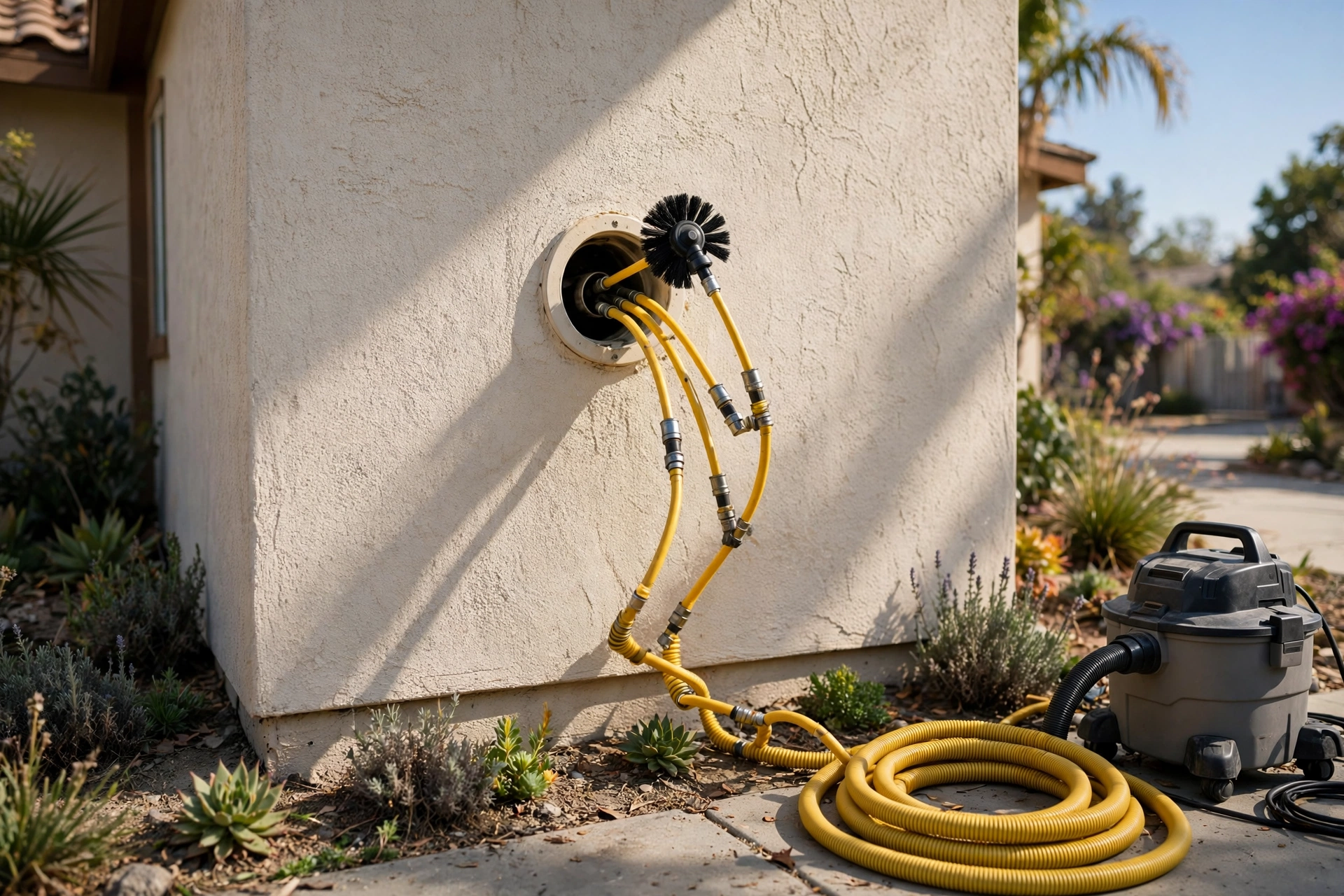
How Often Should You Clean
Once a year, minimum. Lint is fuel, the vent run is where it accumulates, and a clogged dryer vent is the leading cause of dryer fires. The signs, the schedule and the honest DIY limits are below.
Read the guide →